
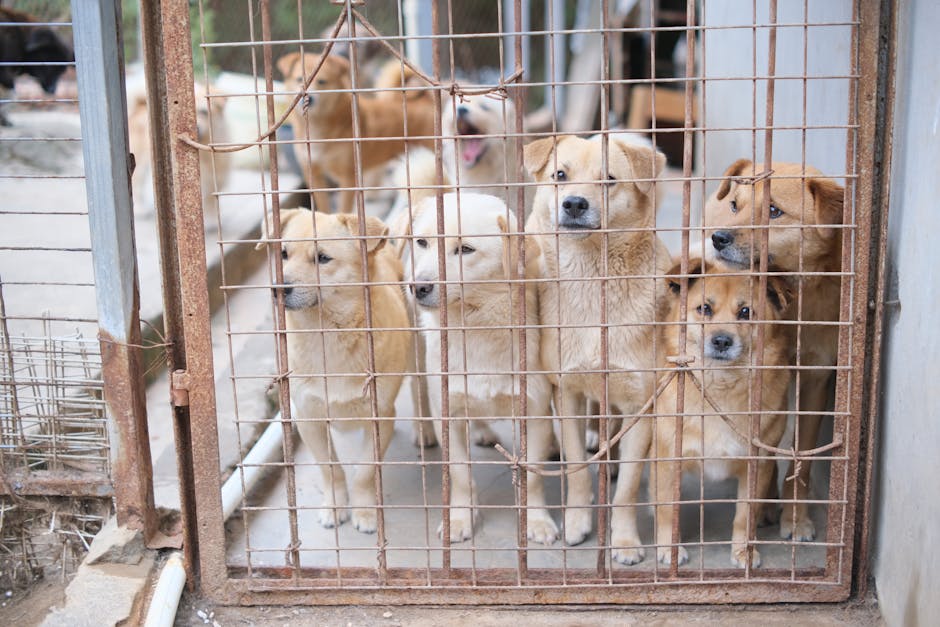
A Growing Need for Homes
When most people think of animal rescue, they picture dogs and cats. But exotic animal rescues and shelters are quietly overflowing with surrendered pets — rabbits, guinea pigs, reptiles, birds, and more. Many of these animals end up in rescue because their previous owners underestimated the commitment involved or experienced life changes that made pet care impossible.
The good news? Adopting a rescue exotic pet is one of the most rewarding decisions you can make.
Why Animals End Up in Rescue
Understanding why exotic pets are surrendered helps dispel the myth that rescue animals are somehow “damaged.” The most common reasons include:
- Impulse purchases — Social media trends drive people to buy pets they’re not prepared for
- Life changes — Moving, new babies, financial difficulties, or allergies
- Lifespan surprises — Many people don’t realize parrots can live 40-80 years, or that tortoises can outlive their owners
- Underestimated care needs — The reality of daily care is more demanding than expected
Most rescue animals are perfectly healthy and well-socialized. They simply need a new home with a prepared owner.
Benefits of Adoption
You Save a Life
Rescue organizations operate on limited budgets and space. Every adoption frees up resources to help another animal in need. Some rescues are forced to turn away surrendered animals when they’re at capacity.
Known Personality
Unlike a baby animal whose temperament is still developing, adult rescue pets have established personalities. The rescue staff can tell you whether a bird is cuddly or independent, whether a rabbit is energetic or calm. This makes it much easier to find a pet that truly fits your lifestyle.
Lower Cost
Adoption fees are typically a fraction of breeder prices. Many rescue animals come already spayed or neutered, with veterinary checkups completed, and sometimes with their enclosure and supplies included.
Support Network
Reputable rescues don’t just hand over an animal and disappear. They provide ongoing guidance, care sheets, and are available for questions. Many have experienced foster families who can share detailed information about the specific animal you’re adopting.
How to Find a Rescue
- Petfinder and Adopt-a-Pet — Both platforms list exotic animals available for adoption in your area
- Species-specific rescues — Organizations dedicated to rabbits, reptiles, parrots, and other specific groups
- Local humane societies — Many accept and rehome small animals and reptiles
- Social media groups — Facebook groups and subreddits often share urgent rehoming needs
Making Adoption Work
Before adopting, make sure you’ve researched the species thoroughly. Have the proper enclosure set up and ready. Ask the rescue about the animal’s history, dietary preferences, and any behavioral quirks. Give your new pet time to adjust — rescue animals may need extra patience as they settle into their new environment.
The bond you form with a rescue pet, knowing you gave them a second chance, is something truly special. Every adopted animal is proof that second chances matter.
Related Articles
The Hidden Costs of Pet Ownership: What to Budget For
The purchase price is just the beginning. Discover the often-overlooked costs of exotic pet ownership so you can budget properly and avoid financial surprises.
How to Travel Safely with Your Exotic Pet
Planning a trip with your exotic pet? From carrier selection to stress reduction, here's everything you need to know to travel safely.
Why Exotic Pets Are Growing in Popularity
From reptiles to rabbits, exotic pet ownership is on the rise. Discover the reasons behind this growing trend and what it means for animal care.