
Care guides for 40 species
Care for every pet except dogs and cats
Practical, plain-language guides to housing, diet, health and daily care for birds, small mammals, reptiles, fish and more.
Browse by type of pet

Autumn care
Seasonal Pet Care
Cooler nights and shorter days change appetite, heating needs and activity. Check enclosure temperatures now.
Read the guideGood first pets
Beginner-friendly species
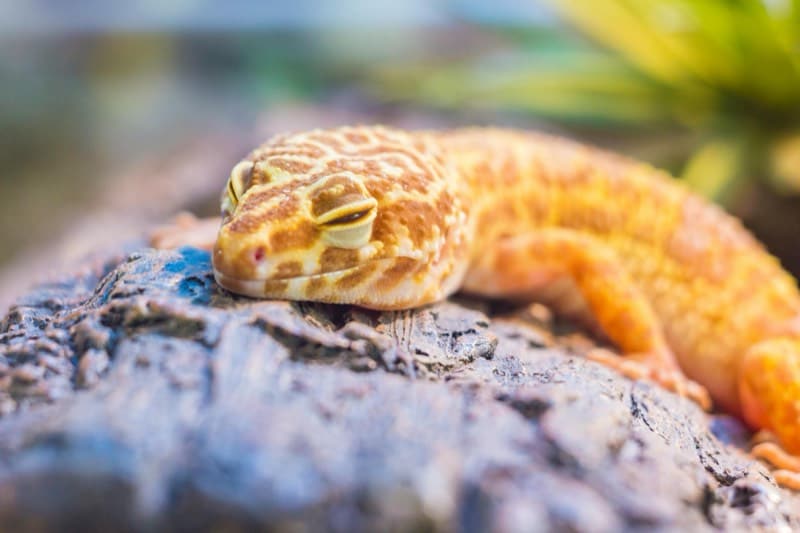
Leopard Gecko
Leopard geckos need a warm belly-heat basking zone of 82–86°F, dry air, low-level UVB, gut-loaded insects and a calcium dish. Setup, feeding and pitfalls.
Lives 10–20 years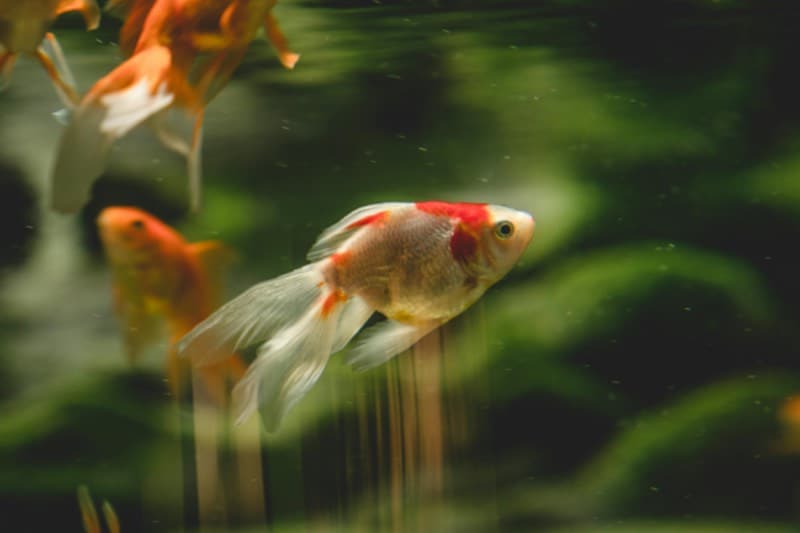
Goldfish
Goldfish can live 25 years and grow past 12 in (30 cm). They need cool, filtered water at 50–70°F (10–21°C) and at least 60 L (16 gal) each, never a bowl.
Lives Up to 25 years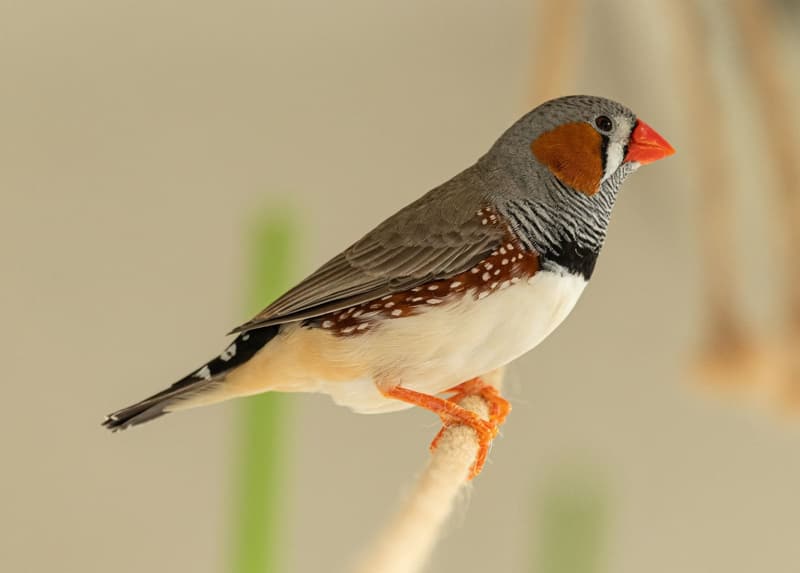
Finch
Zebra and Gouldian finches need a flock, horizontal flight space, indoor UV light and a mostly pellet diet. Gouldians need constant warmth.
Lives 5–7 years
Gerbil
Gerbils need a glass tank with 8–12 in (20–30 cm) of diggable bedding, a same-sex companion and 18–20% protein pellets. Banned as pets in California.
Lives 2–4 yearsBefore you bring a pet home
Essential care guides
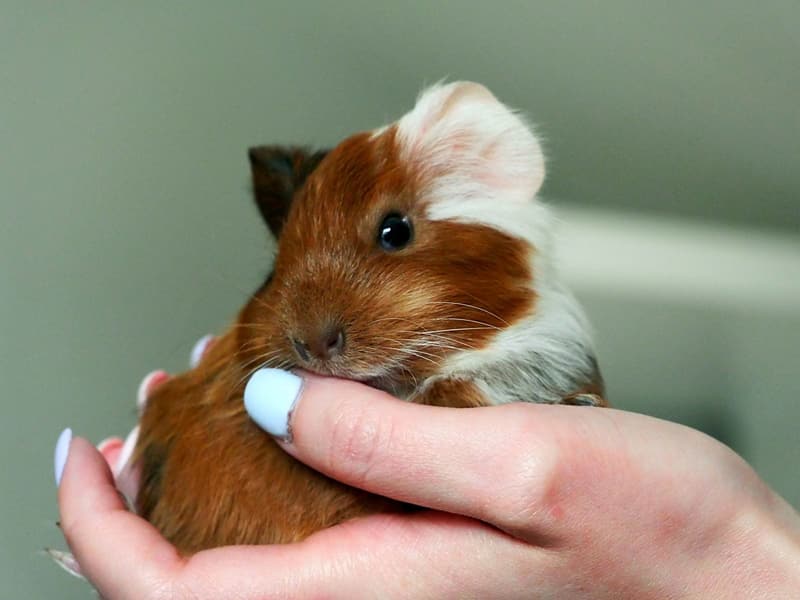
Choosing Your First Pet
Eight common first pets compared on lifespan, daily time, space, handling, company and active hours, plus the questions to settle before you buy or adopt.
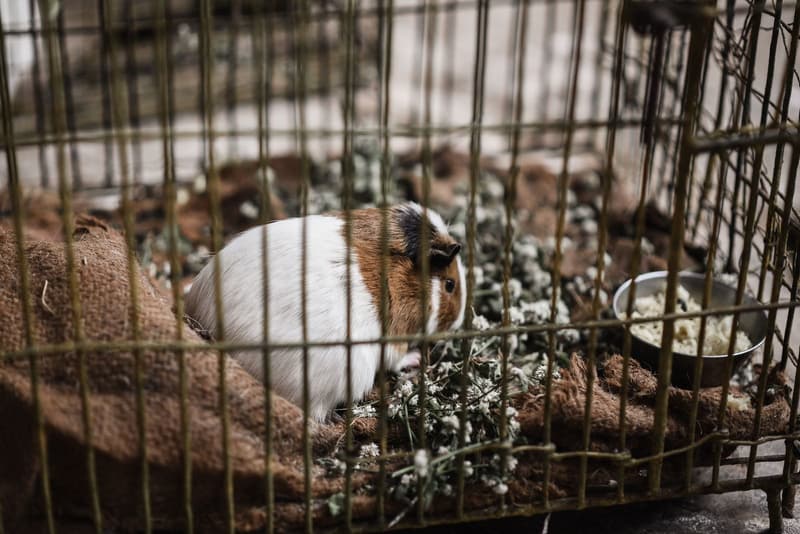
Small Pet Housing
Minimum enclosure sizes, bedding depth and flooring for rabbits, guinea pigs, hamsters, gerbils, rats, chinchillas, degus and ferrets, with where sources disagree.

Pet Nutrition Fundamentals
What herbivores, carnivores, insectivores, omnivores and nectar feeders each need, how to read a pet food label, and which supplements are actually required.
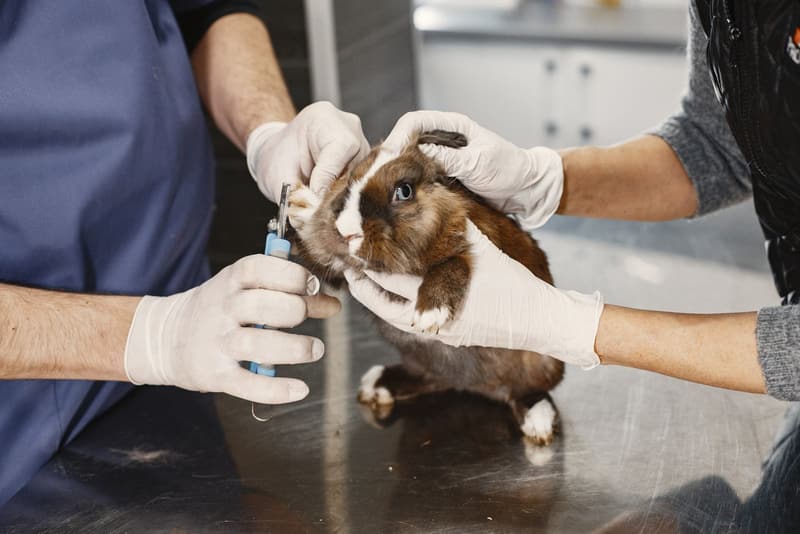
Small Pet Veterinary Care
Check-up intervals, which small pets actually need vaccines, when to neuter, and how to find and question a vet for rabbits, ferrets, birds and reptiles.

What Small and Exotic Pets Cost
Charity cost estimates for rabbits, guinea pigs, hamsters, chinchillas, birds and fish, plus the hidden costs these figures leave out, such as vet fees and UVB lamps.
Pet Emergency Preparedness
Per-species go-kits, keeping tanks and heat lamps going in a power cut, a pet-sitter sheet and ID records for floods, storms and evacuations.
From the blog
All articles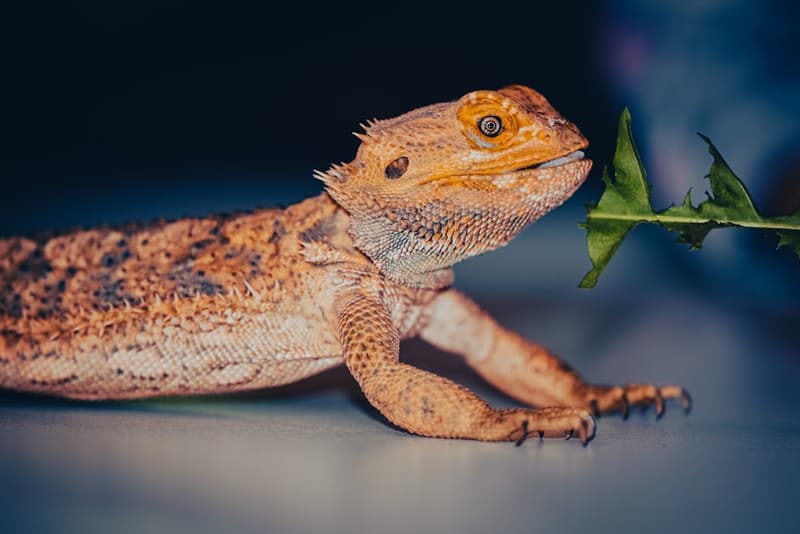
8 Common Mistakes New Reptile Owners Make
No thermostat, the wrong UVB, a small vivarium, loose substrate, live prey, early handling, bad humidity and Salmonella: what each mistake does and the fix.
February 1, 2026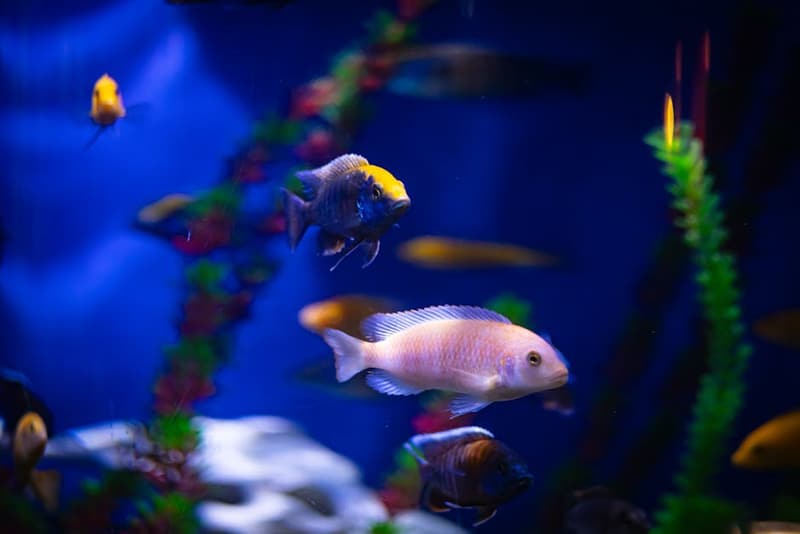
A Beginner's Guide to Aquascaping Your Fish Tank
Layout styles compared, easy plants rated by light and CO2 need, root tabs vs liquid fertiliser, and a safe starting light schedule for a first planted tank.
February 1, 2026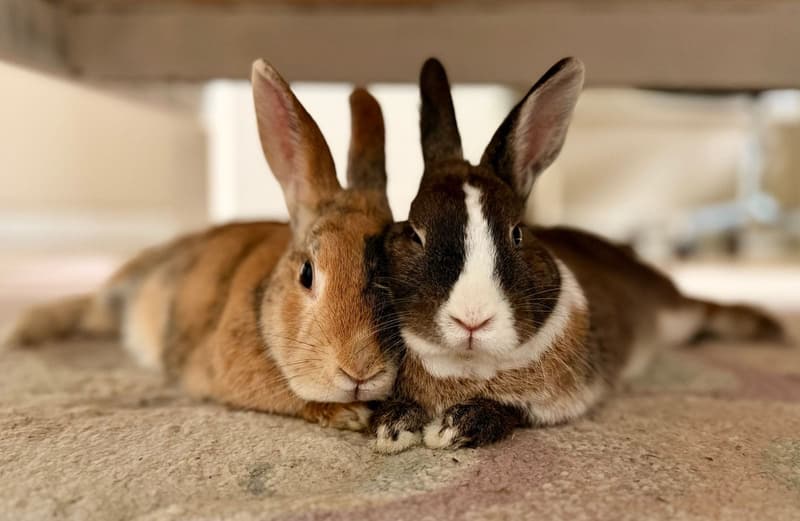
Adopting a Rescue Exotic Pet: Benefits, Risks and What to Ask
Where to adopt a rescue reptile, bird or small mammal, what to ask each source, the honest pros and cons, and the health checks and quarantine to plan for.
February 1, 2026About our guides
How we write them
Each species page covers the same core topics, housing, diet, health, behaviour and daily routine, so you can compare pets side by side before you commit. Topic guides go deeper on things that apply across species, like seasonal care, travel and budgeting.
AllOtherPets is a small independent site. Our guides are general information, not veterinary advice: care standards for exotic pets change, and individual animals differ. Always confirm diet, housing and health decisions with a vet experienced with your species. If you spot something wrong, tell us and we'll fix it.
Common questions
What kinds of pets does AllOtherPets cover?
Every pet except dogs and cats. We currently have care guides for 40 species: birds such as budgerigars, cockatiels and macaws; small mammals including rabbits, guinea pigs, hamsters, chinchillas and ferrets; reptiles such as bearded dragons, leopard geckos and ball pythons; fish like bettas and goldfish; and less common pets such as axolotls, hermit crabs and tarantulas.
Are the care guides free?
Yes. Every species guide, care guide and blog article is free to read. The site is supported by advertising.
How do I choose the right pet for my lifestyle?
Start with your space, daily schedule, budget and experience. Each species page lists lifespan, adult size, temperament and a care level (Beginner, Intermediate or Advanced). Our guide to choosing your first pet walks through the decision step by step.
Which small pets suit apartments?
Fish, leopard geckos, hamsters and small birds such as budgies need little floor space and are quiet compared with dogs. Check each species page for minimum enclosure sizes and noise levels before deciding.
How often should a small or exotic pet see a vet?
Most should have a wellness check at least once a year. Not every clinic treats exotic species, so find a vet experienced with your animal before you need one. Our veterinary care guide explains what to look for.
Which pets are easiest for beginners?
Leopard geckos, betta fish and guinea pigs are common first pets: their care needs are well documented and they are widely available. Guinea pigs must live in pairs. Filter the species list by "Beginner level" to see every option.
How much does an exotic pet cost to keep?
The animal is usually the smallest cost. Setup (enclosure, heating, lighting, substrate) often runs from about $150 to over $700 depending on species, with ongoing food and bedding of roughly $20 to $80 a month. Exotic vet visits typically cost more than for cats and dogs. Prices vary by region, so treat these as rough starting points; our budgeting guide breaks the costs down.
Can small pets live alone?
It depends on the species. Guinea pigs, rats and gerbils are social and should live in pairs or groups. Syrian hamsters are territorial and must live alone. Many reptiles and fish are solitary. Check the social needs on each species page before choosing housing.