
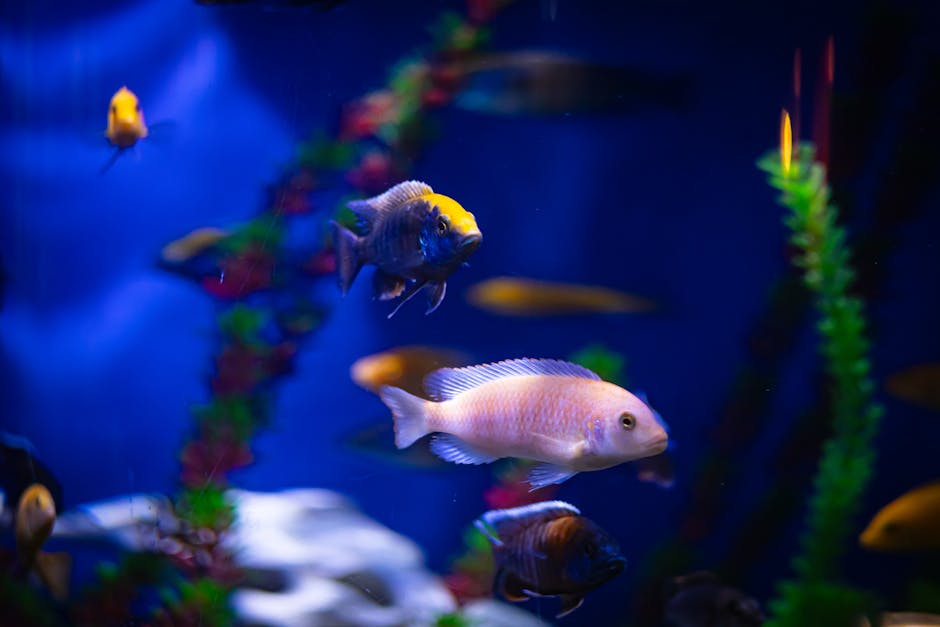
What Is Aquascaping?
Aquascaping is the art of arranging aquatic plants, rocks, driftwood, and substrate to create visually stunning underwater landscapes. Think of it as gardening — but underwater. A well-designed aquascape isn’t just beautiful; it also provides a healthier, more natural environment for your fish.
Choosing Your Style
Before you start, it helps to know the main aquascaping styles:
Nature Aquarium — Inspired by natural landscapes, this Japanese style uses plants, rocks, and wood to recreate scenes like forests, mountains, and meadows. It was popularized by the legendary aquascaper Takashi Amano.
Dutch Style — Focuses on lush, dense plant arrangements with contrasting colors and textures. Think of it as a carefully planned garden with rows and groups of different species.
Iwagumi — A minimalist style centered on carefully placed stones. Typically uses just one or two plant species, with the rock arrangement telling the story.
Jungle Style — The most forgiving for beginners. Embrace wild, overgrown aesthetics with fast-growing plants creating a dense, natural look.
For your first aquascape, the jungle style or a simple nature aquarium are the most forgiving choices.
Essential Equipment
Beyond a standard aquarium setup, aquascaping requires a few additional items:
- Nutrient-rich substrate — Products like ADA Amazonia or Fluval Stratum provide nutrients for plant roots. Layer this under a cap of fine gravel or sand.
- Adequate lighting — Plants need light for photosynthesis. A full-spectrum LED light rated for planted tanks is essential. Aim for 8-10 hours of light per day.
- CO2 system (optional but helpful) — Injecting CO2 accelerates plant growth and improves health. Beginners can start without it by choosing low-tech plant species.
- Liquid fertilizers — Supplement nutrients that plants can’t get from substrate alone.
- Quality filter — Good water circulation helps distribute nutrients and CO2 evenly.
Beginner-Friendly Plants
Start with hardy species that forgive mistakes:
- Java Fern — Attaches to rocks and wood, thrives in low light
- Anubias — Slow-growing, nearly indestructible, beautiful broad leaves
- Java Moss — Versatile, grows on any surface, creates a natural look
- Amazon Sword — Dramatic background plant, easy to grow
- Cryptocoryne — Great midground plant with interesting leaf shapes
- Water Wisteria — Fast-growing, helps absorb excess nutrients
The Rule of Thirds
Borrow this composition technique from photography. Mentally divide your tank into a 3x3 grid. Place your focal points — the tallest plant, the most striking rock — at the intersections of these grid lines rather than dead center. This creates a more natural, visually pleasing arrangement.
Building Your First Aquascape
- Plan on paper first — Sketch your layout before getting your hands wet
- Add substrate — Slope it higher toward the back for depth perception
- Place hardscape — Arrange rocks and driftwood. This is your foundation, so take your time
- Plant from back to front — Tall plants in back, medium in the middle, carpeting plants in front
- Fill slowly — Use a plate or bag to diffuse water flow and prevent uprooting plants
- Be patient — A new aquascape goes through an ugly phase as plants establish. Algae may appear. This is normal.
Maintenance
Aquascaped tanks need regular maintenance: weekly water changes (25-30%), trimming overgrown plants, cleaning glass, and monitoring water parameters. But many aquascapers find the maintenance itself meditative and enjoyable — it’s part of the hobby’s appeal.
Start simple, learn the basics, and let your skills grow along with your plants. The aquascaping journey is one of continuous learning and creative expression.
Related Articles
Best Low-Maintenance Pets for Busy Professionals
Want a pet but short on time? These low-maintenance exotic pets fit perfectly into busy lifestyles without compromising on companionship.
How to Create the Perfect Habitat for Your Small Pet
A well-designed habitat is the foundation of good pet care. Learn the essential elements every small pet enclosure needs to keep your companion healthy and happy.