
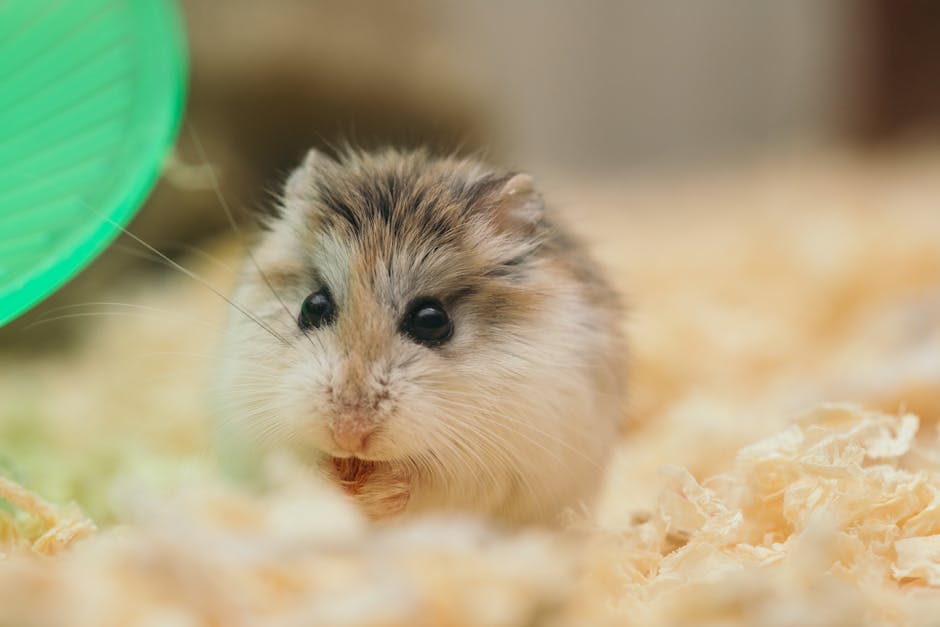
Why Habitat Matters
Your pet’s enclosure isn’t just a container — it’s their entire world. A well-designed habitat directly impacts your pet’s physical health, mental wellbeing, and lifespan. Whether you’re setting up a home for a hamster, guinea pig, rabbit, or gerbil, the principles of good habitat design remain consistent.
Size: Bigger Is Always Better
The most common mistake new pet owners make is choosing an enclosure that’s too small. Pet store “starter kits” are often inadequate for adult animals. Here are minimum recommendations:
- Hamsters: At least 800 square inches of floor space (a 40-gallon breeder tank works well)
- Guinea pigs: Minimum 7.5 square feet for one, 10.5 for two
- Rabbits: At least 12 square feet of living space, plus exercise time outside the enclosure
- Gerbils: Minimum 40-gallon tank for a pair, with deep bedding for burrowing
Remember, these are minimums. Your pet will always benefit from more space.
Bedding and Substrate
The right bedding keeps your pet comfortable, absorbs waste, and supports natural behaviors like burrowing. Safe options include:
- Paper-based bedding (like Carefresh) — absorbent and dust-free
- Aspen shavings — affordable and safe for most small mammals
- Fleece liners — reusable and soft, popular for guinea pigs
Avoid cedar and pine shavings, which contain phenols that can cause respiratory damage. Also steer clear of scented beddings, which can irritate sensitive small animal lungs.
Enrichment and Mental Stimulation
A bare enclosure leads to a bored pet, and bored pets develop stress behaviors like bar-chewing, over-grooming, and repetitive pacing. Every habitat should include:
- Hiding spots — at least two enclosed spaces where your pet can retreat and feel secure
- Chew toys — essential for rodents whose teeth grow continuously
- Tunnels and platforms — encourage exploration and exercise
- Foraging opportunities — scatter food or hide treats to stimulate natural searching behavior
Rotate enrichment items regularly to keep things interesting.
Climate Control
Small pets are sensitive to temperature extremes. Most small mammals thrive between 65-75°F. Keep enclosures away from:
- Direct sunlight (which can cause overheating)
- Drafty windows and doors
- Heating vents and radiators
- Air conditioning units blowing directly on the cage
For rabbits kept outdoors, additional precautions are needed during both summer heat and winter cold.
Cleaning Schedule
Establish a consistent cleaning routine to prevent ammonia buildup and bacterial growth:
- Daily: Remove soiled bedding spots, wash and refill water bottles, remove uneaten fresh food
- Weekly: Partial bedding change, wipe down surfaces, clean food dishes
- Monthly: Full bedding change, deep clean the entire enclosure with pet-safe disinfectant
The Investment That Pays Off
Setting up a proper habitat requires an upfront investment, but it pays dividends in your pet’s health and happiness. A well-designed enclosure means fewer vet visits, less stress for both you and your pet, and a longer, more fulfilling life for your small companion.
Related Articles
A Beginner's Guide to Aquascaping Your Fish Tank
Transform your aquarium into a living work of art. This beginner-friendly guide covers everything you need to know to start aquascaping.