
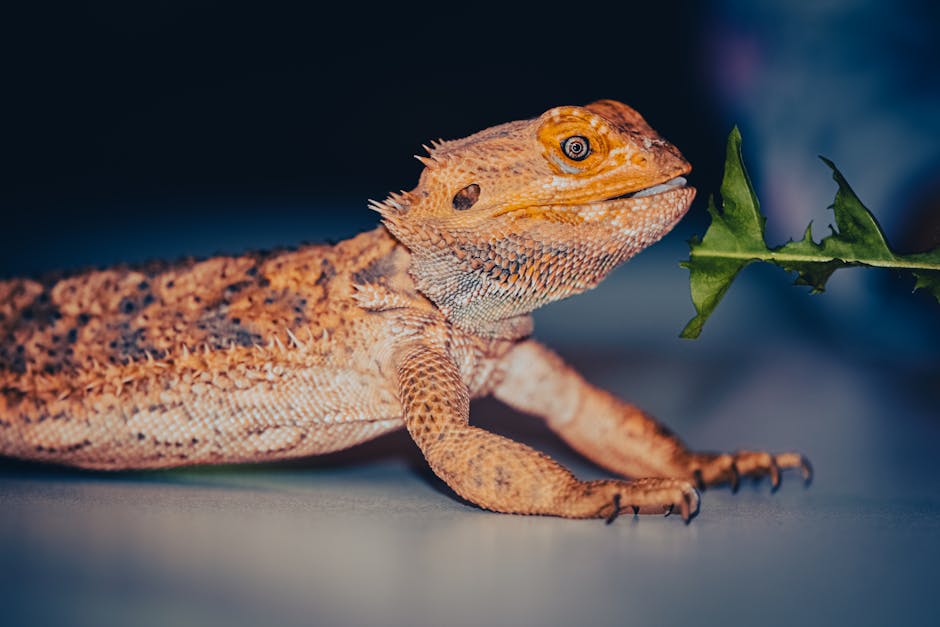
Getting Started with Reptiles
Reptiles are among the most rewarding pets you can keep. They’re quiet, low-allergen, and endlessly fascinating to observe. But they also have very specific care requirements that differ drastically from mammals. Here are five mistakes that trip up new reptile owners — and how to avoid them.
1. Wrong Temperature Setup
This is the single most common mistake. Reptiles are ectothermic, meaning they rely on external heat sources to regulate their body temperature. Every reptile species needs a thermal gradient in their enclosure — a warm basking spot and a cooler retreat area.
Too often, new owners rely on a single heat lamp without measuring temperatures with a reliable thermometer. Invest in a digital thermometer with a probe, and research the exact temperature range your species needs. A bearded dragon, for example, requires a basking spot of 100-110°F and a cool side around 80°F.
2. Inadequate Enclosure Size
That “starter kit” from the pet store is almost never big enough for an adult reptile. A juvenile ball python might seem comfortable in a 20-gallon tank, but adults need at least a 40-gallon enclosure — and many keepers recommend even larger.
Research the adult size of your reptile before purchasing an enclosure. It’s often more cost-effective to buy the full-sized habitat from the start rather than upgrading multiple times.
3. Poor Lighting and UVB
Many reptile species, particularly diurnal lizards like bearded dragons and chameleons, require UVB lighting to synthesize vitamin D3 and properly metabolize calcium. Without adequate UVB exposure, these animals can develop metabolic bone disease — a painful and potentially fatal condition.
UVB bulbs lose their effectiveness over time even if they still produce visible light. Replace them every 6-12 months depending on the manufacturer’s recommendations.
4. Feeding the Wrong Diet
Each reptile species has distinct dietary needs. Bearded dragons are omnivores that need both insects and vegetables. Leopard geckos are insectivores. Green iguanas are strict herbivores. Feeding the wrong diet can lead to obesity, nutritional deficiencies, and organ damage.
Always research species-specific dietary requirements, gut-load feeder insects, and dust them with calcium and vitamin supplements as recommended by your species care guide.
5. Handling Too Soon
New reptiles are stressed. They’ve been transported, placed in an unfamiliar environment, and are still adjusting. Many new owners are eager to handle their new pet right away, which can cause additional stress and even lead to defensive behavior like biting or tail-dropping.
Give your reptile at least one to two weeks to settle in before attempting regular handling. Start with short sessions and gradually increase the duration as your pet becomes more comfortable.
Setting Yourself Up for Success
The good news is that all of these mistakes are easily avoidable with a bit of research and preparation. Take the time to learn about your specific species before bringing them home, and don’t hesitate to consult experienced keepers or veterinarians when you’re unsure. Your reptile will thank you with years of fascinating companionship.
Related Articles
Best Low-Maintenance Pets for Busy Professionals
Want a pet but short on time? These low-maintenance exotic pets fit perfectly into busy lifestyles without compromising on companionship.
Understanding Your Pet Bird's Body Language
Birds communicate volumes through their body language. Learn to read your feathered friend's signals to build a stronger, more trusting relationship.
Seasonal Care Tips for Outdoor Rabbits
Outdoor rabbits face unique challenges with each changing season. Learn how to protect your bunny year-round with these essential seasonal care tips.
Why Exotic Pets Are Growing in Popularity
From reptiles to rabbits, exotic pet ownership is on the rise. Discover the reasons behind this growing trend and what it means for animal care.