
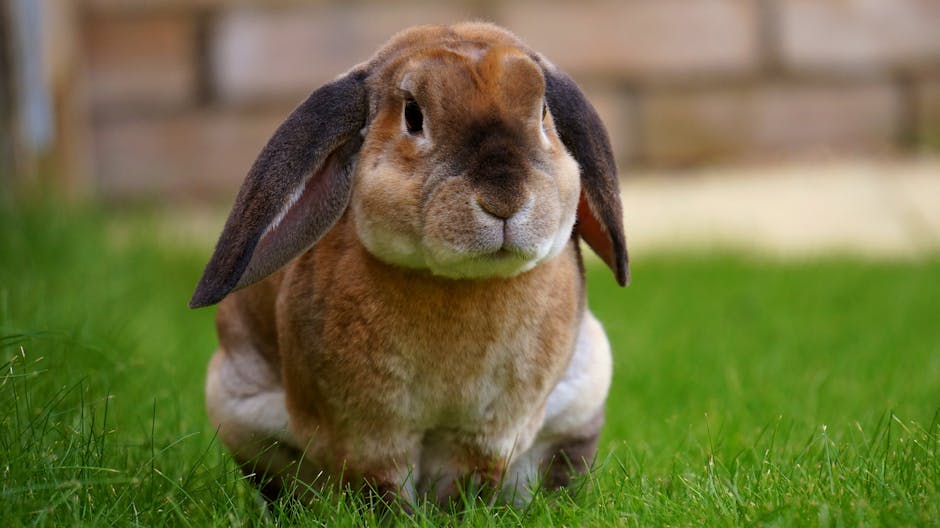
Living Outdoors Year-Round
Many rabbit owners choose to house their bunnies in outdoor hutches or enclosures. While rabbits can thrive outdoors, each season brings its own set of challenges. With proper preparation, you can keep your outdoor rabbit comfortable, safe, and healthy throughout the entire year.
Spring: Renewal and Vigilance
Spring is a time of renewal, but it also brings some specific concerns for outdoor rabbits.
Parasite prevention is crucial as temperatures rise. Flystrike — a potentially fatal condition where flies lay eggs on soiled fur — becomes a real threat in warmer weather. Check your rabbit’s rear end daily and keep their living area spotless.
Fresh spring growth means your garden is full of tempting plants. Many common garden plants are toxic to rabbits, including foxglove, lily of the valley, and rhubarb leaves. Make sure your rabbit’s exercise area is free of dangerous vegetation.
Spring is also prime time for predator activity. Ensure your enclosure is secure against foxes, raccoons, hawks, and neighborhood cats.
Summer: Beating the Heat
Rabbits are far more susceptible to heat than cold. Temperatures above 80°F (27°C) can be dangerous, and heatstroke can be fatal.
Keep cool with these strategies:
- Position the hutch in full shade during the hottest parts of the day
- Provide frozen water bottles wrapped in a towel for your rabbit to lean against
- Place ceramic tiles in the enclosure — they stay cool naturally
- Ensure fresh, cool water is always available (check and refill multiple times daily)
- Never place a hutch in a greenhouse, conservatory, or against a sun-facing wall
Watch for signs of heat stress: rapid breathing, lethargy, drooling, and red ears. If you suspect heatstroke, move your rabbit to a cool area immediately and contact your vet.
Autumn: Preparation Time
Autumn is your window to prepare for winter. Use this time wisely.
Weatherproof the hutch by checking for leaks, drafts, and structural damage. Replace any rotting wood and ensure the roof is waterproof. Add extra layers of protection — tarps or hutch covers can block wind and rain while still allowing ventilation.
Begin gradually increasing bedding depth so your rabbit adjusts to the warmer setup before cold weather hits. Switch to higher-quality hay, as your rabbit will need the extra calories for warmth.
This is also a good time for a vet health check to make sure your rabbit is in good condition heading into the challenging winter months.
Winter: Cold Weather Survival
While rabbits handle cold better than heat, temperatures below freezing require extra care.
Insulation is essential. Line the hutch with thick layers of straw (not just hay) for insulation. Consider adding a hutch cover or moving the hutch to a sheltered location like a garage or shed — but never in a space with car fumes.
Water management becomes critical. Check water bottles and bowls multiple times daily, as they can freeze quickly. Use insulated bottle covers or switch to a heavy ceramic bowl that’s harder to tip and slower to freeze.
Increase food portions, as your rabbit burns more calories staying warm. Provide unlimited hay and slightly larger portions of pellets during the coldest months.
Daily health checks are especially important in winter. Look for signs of respiratory issues (sneezing, nasal discharge), check that your rabbit is eating and producing normal droppings, and ensure they remain active and alert.
A Year-Round Commitment
Keeping outdoor rabbits is a commitment that requires attention to changing conditions throughout the year. By anticipating each season’s challenges and preparing accordingly, you can ensure your rabbit lives a long, comfortable life in their outdoor home.
Related Articles
5 Common Mistakes New Reptile Owners Make
Reptiles make fascinating pets, but they come with unique challenges. Learn the most common pitfalls new reptile owners face and how to avoid them.
Understanding Your Pet Bird's Body Language
Birds communicate volumes through their body language. Learn to read your feathered friend's signals to build a stronger, more trusting relationship.