
40 species
Every species we cover
Pick a pet to see its lifespan, adult size, temperament and care level, then read the full guide to housing, diet and health.
Showing 40 species
-
 Birds
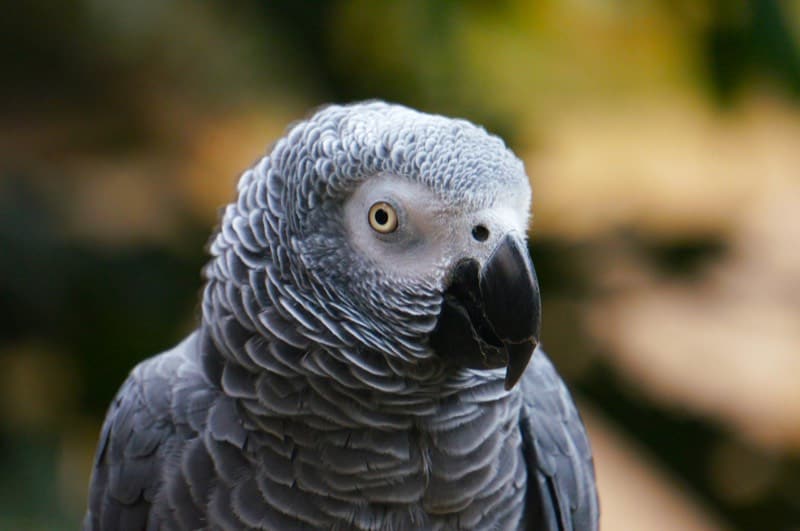
African Grey Parrot
African greys live 30–50 years, need a pellet-based diet and UVB light to avoid low blood calcium, and are prone to feather-destructive behaviour when bored.
Advanced · 30–50 years -
 Fish
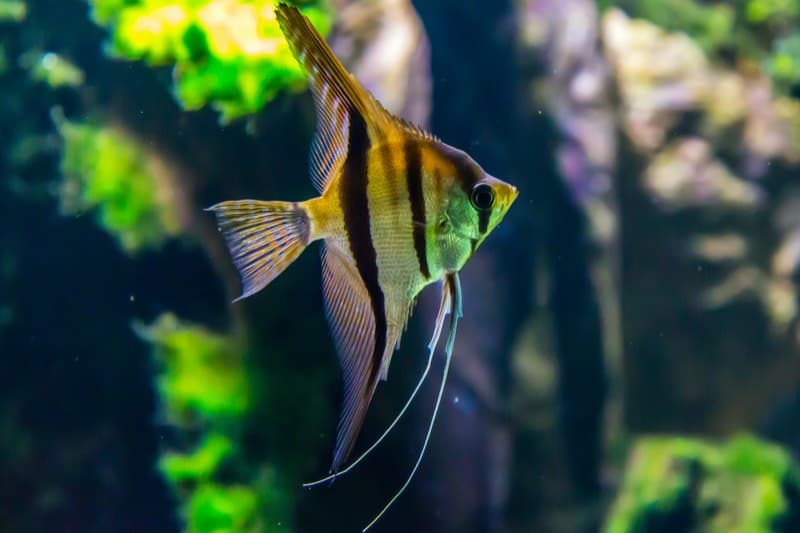
Angelfish
Freshwater angelfish need a tank at least 100 cm (40 in) long, water at 75–86°F (24–30°C), a group of five or more and tankmates too big to swallow.
Intermediate · About 10 years (hobbyist estimate) -
 Amphibians
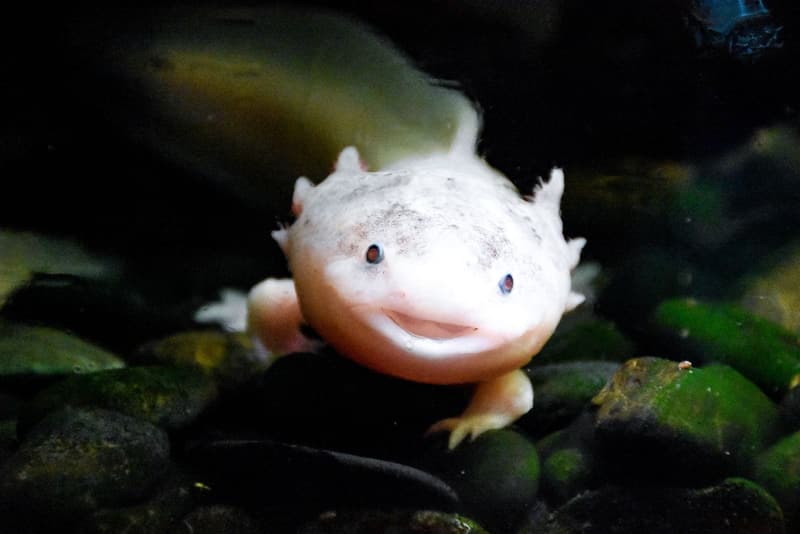
Axolotl
Axolotls need cold, dechlorinated, hard water kept around 60–65°F (15–18°C) and never above about 72°F (22°C), gentle filtration and no swallowable gravel.
Intermediate · 10–15 years -
 Reptiles
Ball Python
Ball pythons need an enclosure as long as the snake, 50–60% humidity, frozen-thawed rodents sized by body weight, and a thermostat on every heat source.
Beginner · 20+ years -
 Reptiles
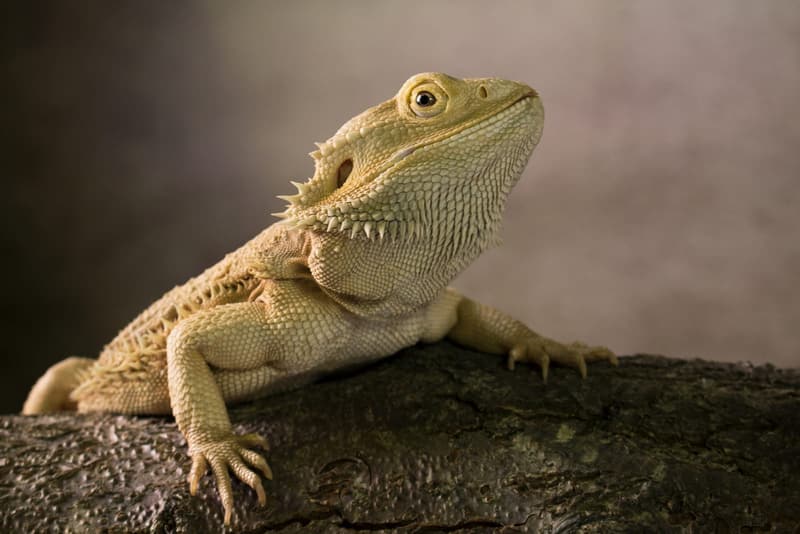
Bearded Dragon
Bearded dragons need a 48 × 24 × 24 in vivarium, a 100–108°F basking zone, strong UVB and a diet that shifts from insects to greens as they grow.
Intermediate · 10–15+ years -
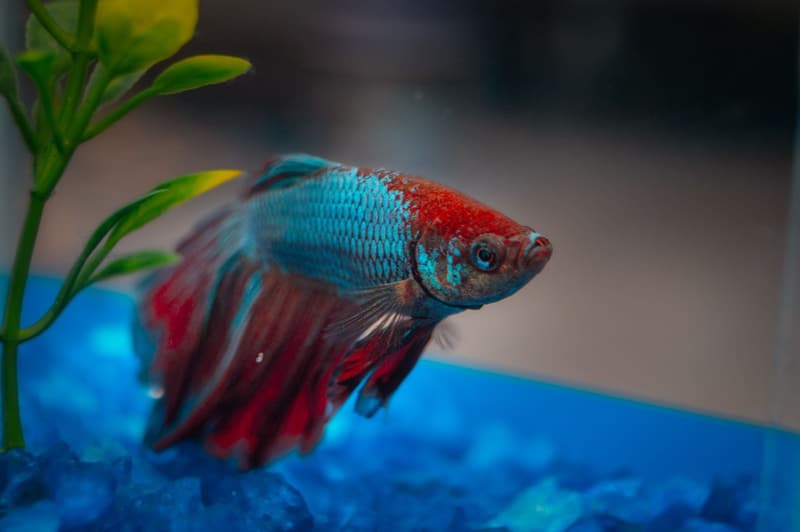 Fish
Betta Fish
Bettas need warm water around 75°F (24°C), a heater, a lid, gentle flow and their own space. Males fight. Recommended tank sizes vary widely between sources.
Beginner · 3–5 years -
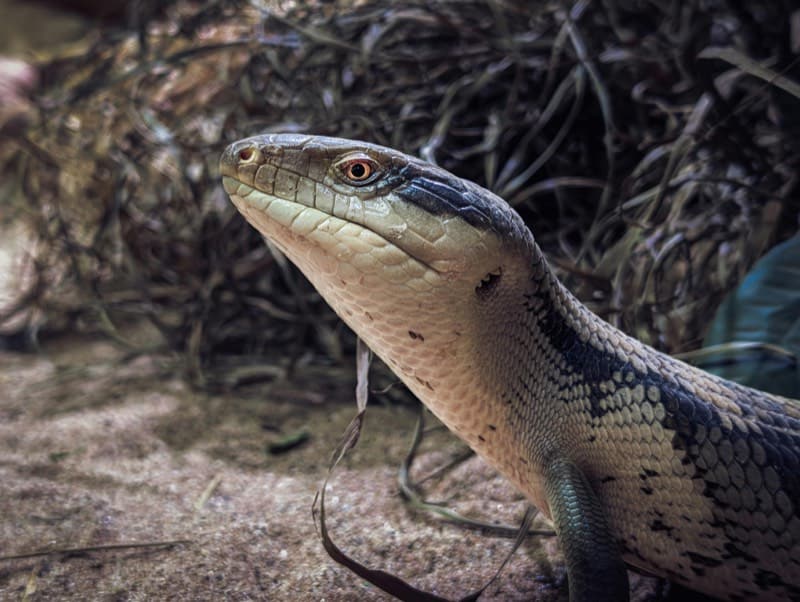 Reptiles
Blue-Tongue Skink
Blue-tongue skinks need a 48 × 30 × 30 in vivarium, deep substrate to burrow in, strong UVB and a diet of about 50–60% animal protein and 40–50% vegetables.
Intermediate · 10–15+ years -
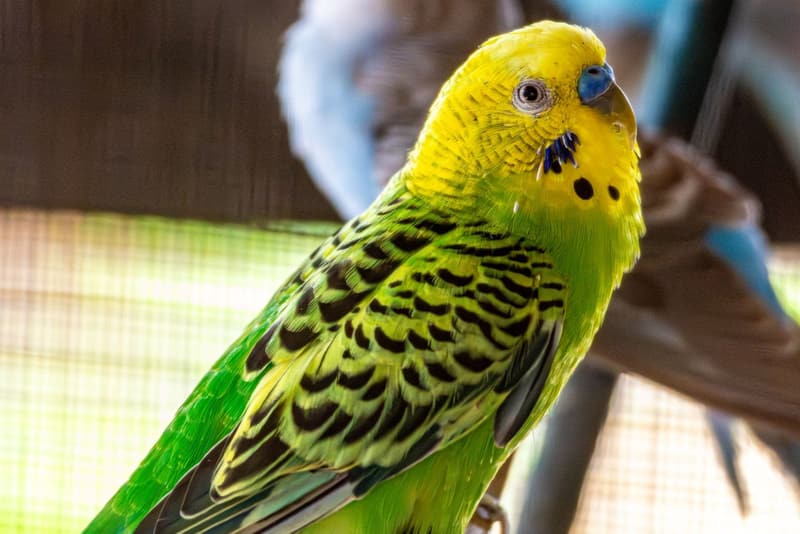 Birds
Budgerigar (Budgie)
Budgies (sold as parakeets in the US) live 5–10 years, do best in pairs or groups, and need pellets rather than seed to avoid obesity, goitre and tumours.
Beginner · 5–10 years -
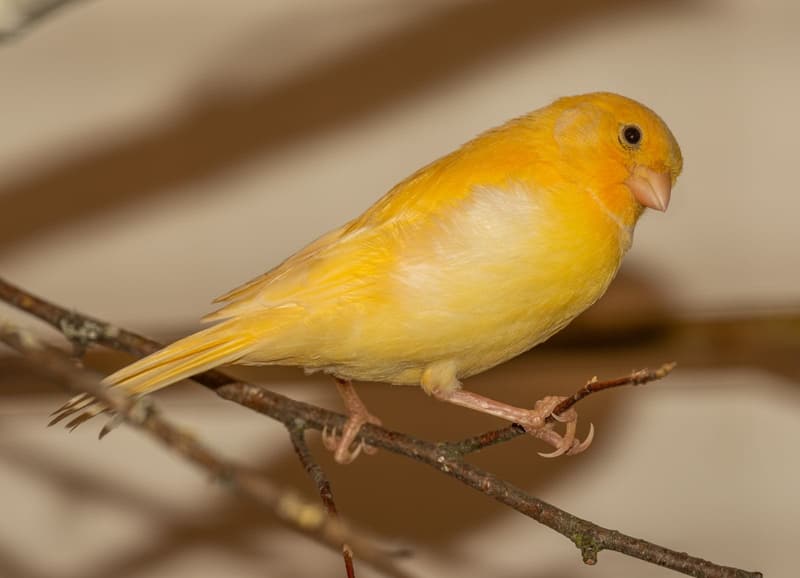 Birds
Canary
Canaries are hands-off songbirds that live up to 15 years. Males sing best; all need flying room, pellets with fresh greens, and protection from mosquitoes.
Beginner · Up to 15 years -
 Small mammals
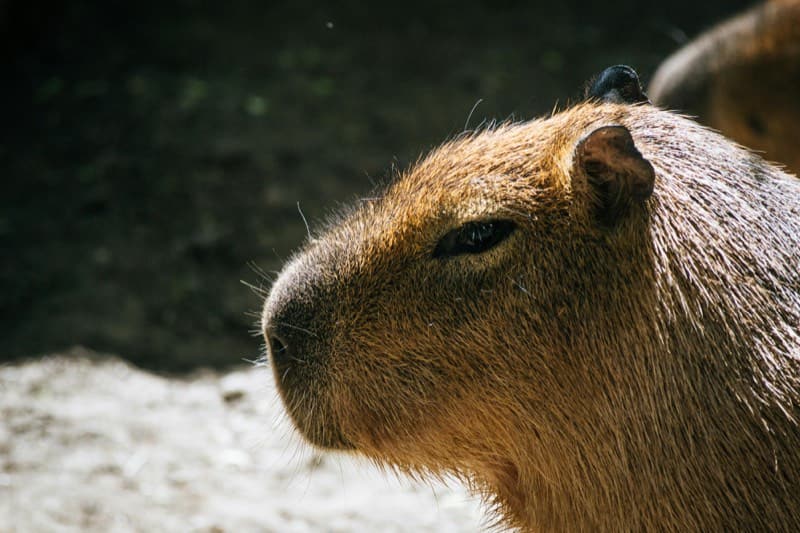
Capybara
Capybaras weigh up to 174 lb (79 kg), live in groups, need a swimming pool and pasture plus vitamin C, and often need a permit or are banned, so check local law first.
Advanced · Up to about 12 years -
 Small mammals
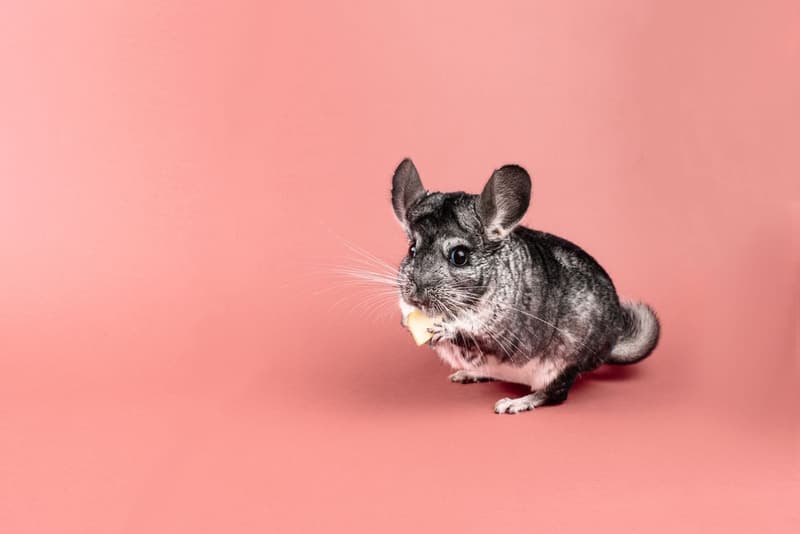
Chinchilla
Chinchillas need a cool, dry room that never reaches 80°F (27°C), a daily dust bath instead of water, unlimited hay and at least one chinchilla companion.
Intermediate · 10–20 years -
 Birds
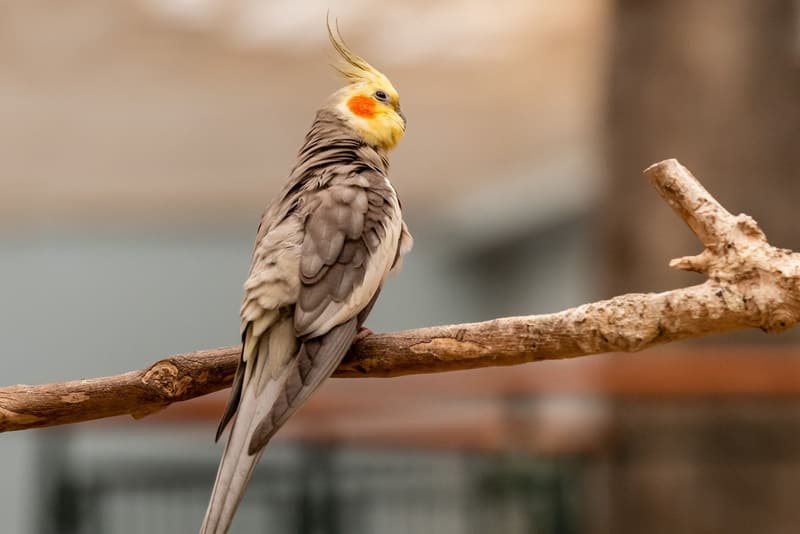
Cockatiel
Cockatiels are gentle, whistling Australian parrots living 10–14+ years. Single hens often lay eggs nonstop, so light control and a pellet diet matter.
Beginner · 10–14 years (up to 24) -
 Birds
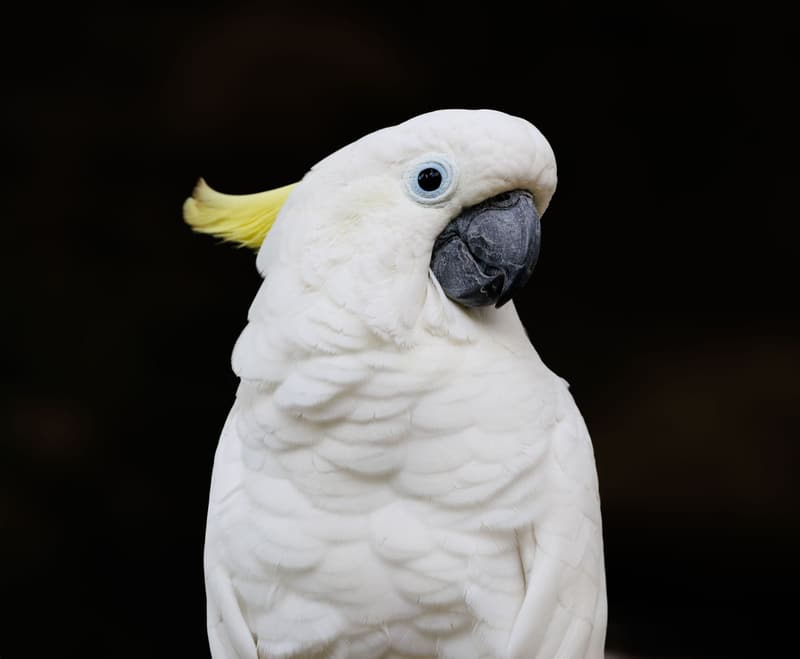
Cockatoo
Cockatoos live 25–45+ years, scream loudly, shed allergy-triggering powder down, and become hormonal and plucky if petted on the body or left without structure.
Advanced · 25–45 years (larger species 70–80) -
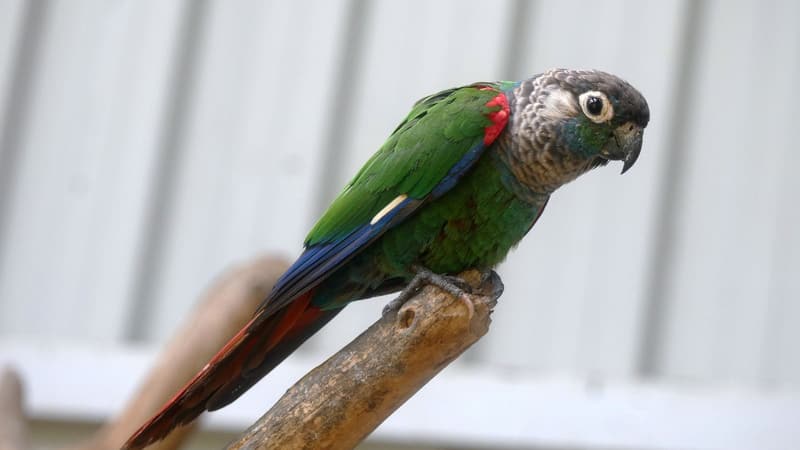 Birds
Conure
Conures are playful parrots in two groups: small, relatively quiet Pyrrhura like the green-cheeked, and larger, far louder Aratinga like the sun conure.
Intermediate · Up to 25–30 years -
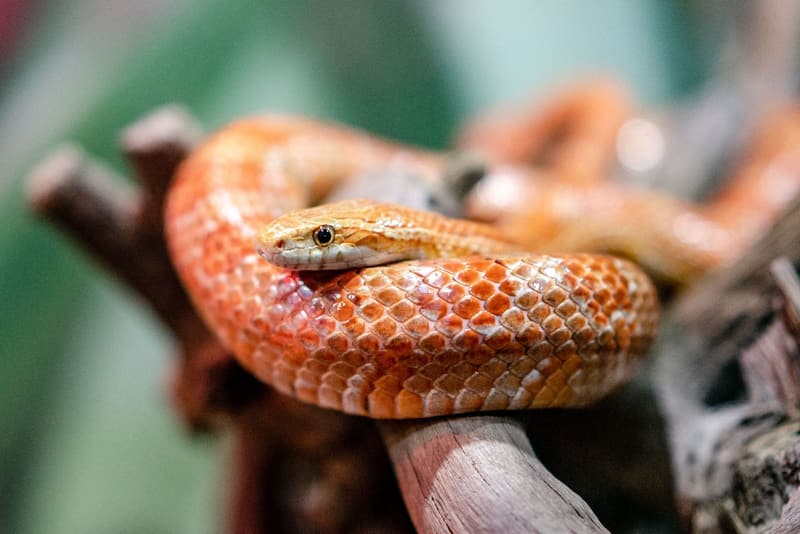 Reptiles
Corn Snake
Corn snakes need a secure vivarium as long as the snake, an 82–86°F basking zone, 40–50% humidity and a thawed mouse every 1–2 weeks. Setup and pitfalls.
Beginner · 10–15 years (record over 30) -
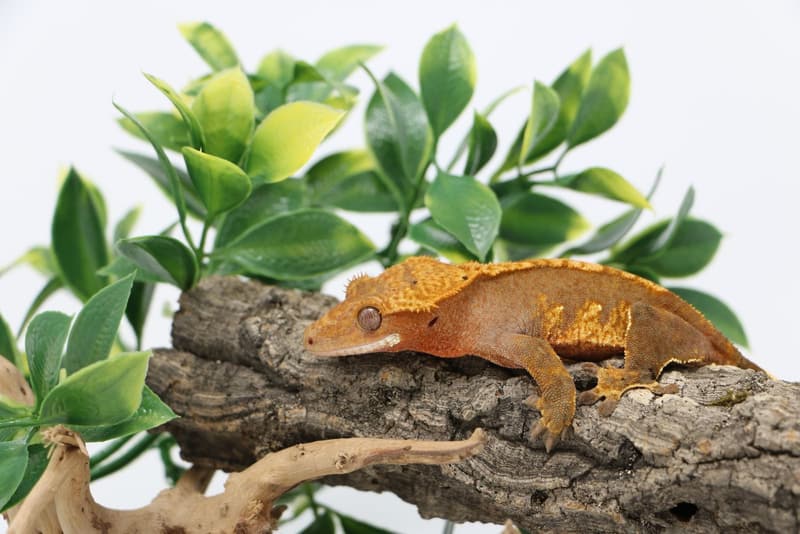 Reptiles
Crested Gecko
Crested geckos need a tall vivarium, temperatures at or below about 82°F, misting that dries out between sprays, and a mix of fruit, gecko diet and insects.
Beginner · 15–20 years -
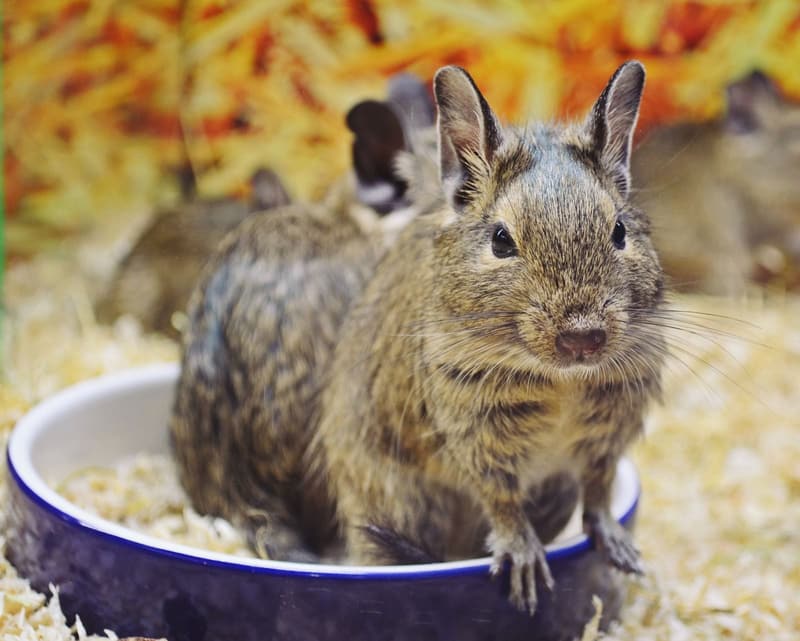 Small mammals
Degu
Degus are daytime, burrowing Chilean rodents prone to diabetes. They need a hay-based, sugar-free diet, a cool, ventilated cage and degu companions.
Intermediate · 5–8 years -
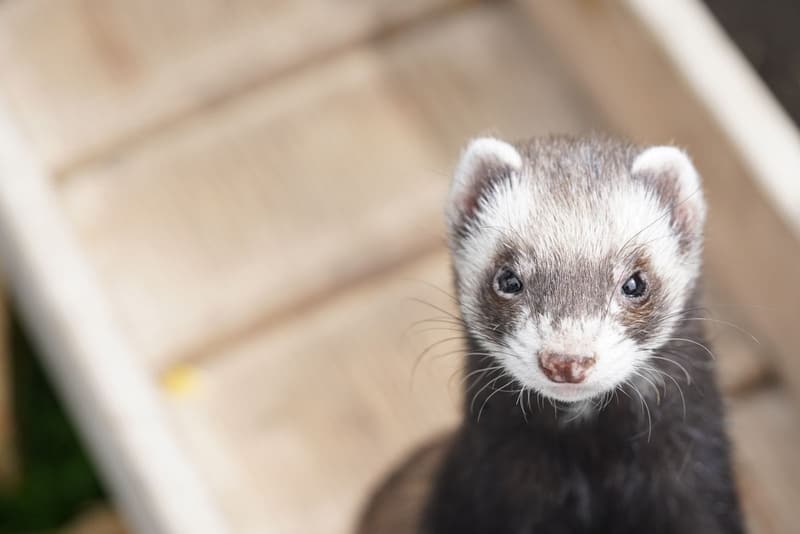 Ferrets
Ferret
Ferrets are carnivores needing meat-based kibble, 2–4 hours of daily play, distemper vaccination and early neutering. They are banned as pets in California.
Advanced · 6–10 years -
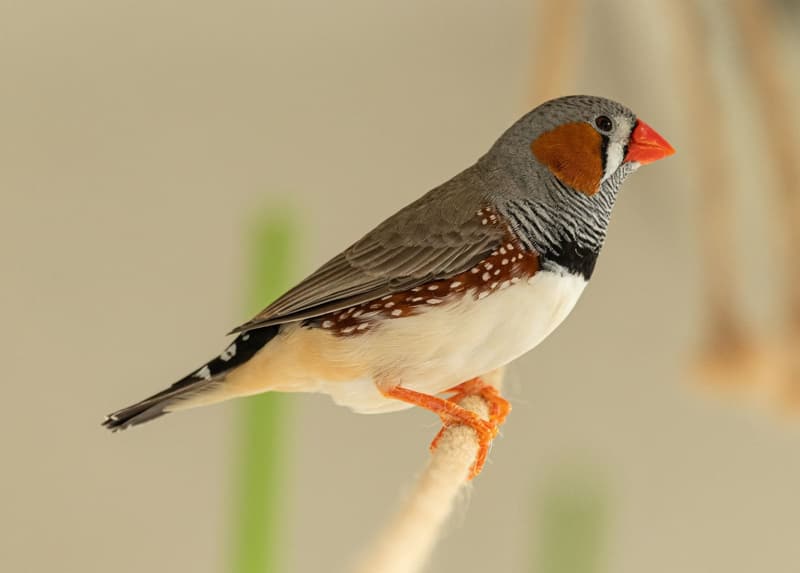 Birds
Finch
Zebra and Gouldian finches need a flock, horizontal flight space, indoor UV light and a mostly pellet diet. Gouldians need constant warmth.
Beginner · 5–7 years - Small mammals
Flying Squirrel
Southern flying squirrels are native wildlife, banned as pets in Georgia and permit-only in Indiana. They are nocturnal, social and can carry typhus.
Advanced · About 10 years in captivity (3–5 in the wild) -
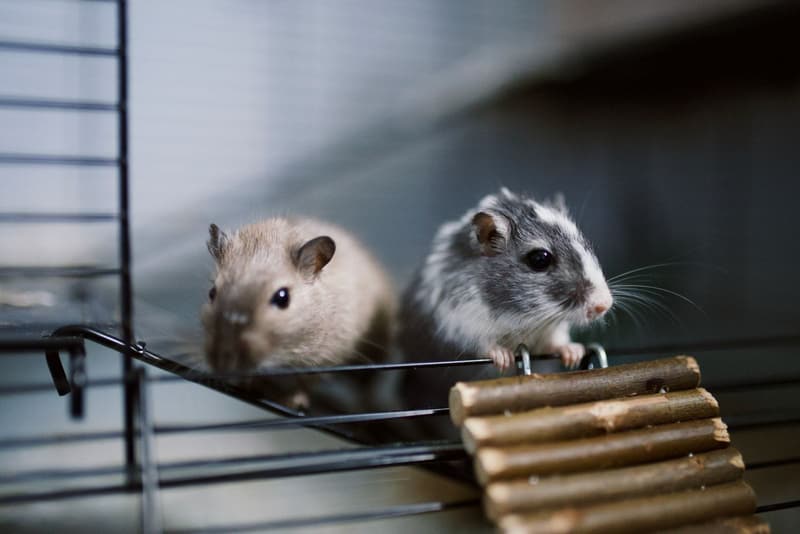 Gerbils
Gerbil
Gerbils need a glass tank with 8–12 in (20–30 cm) of diggable bedding, a same-sex companion and 18–20% protein pellets. Banned as pets in California.
Beginner · 2–4 years -
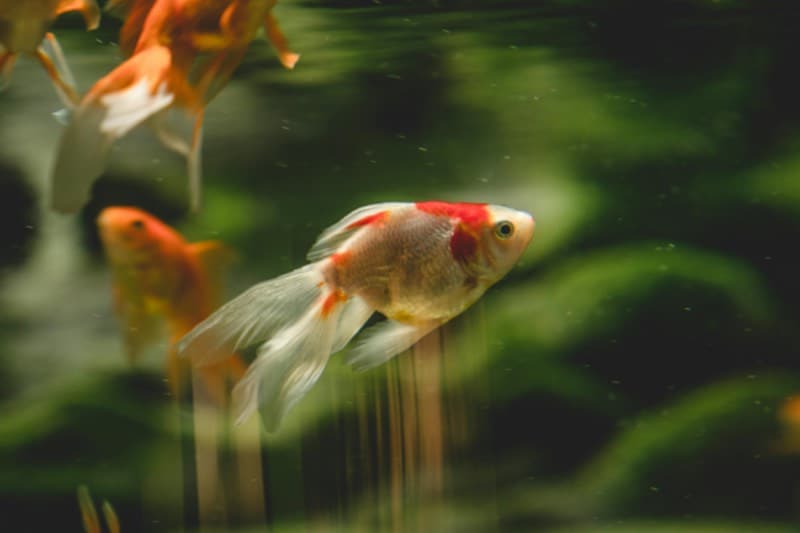 Fish
Goldfish
Goldfish can live 25 years and grow past 12 in (30 cm). They need cool, filtered water at 50–70°F (10–21°C) and at least 60 L (16 gal) each, never a bowl.
Beginner · Up to 25 years -
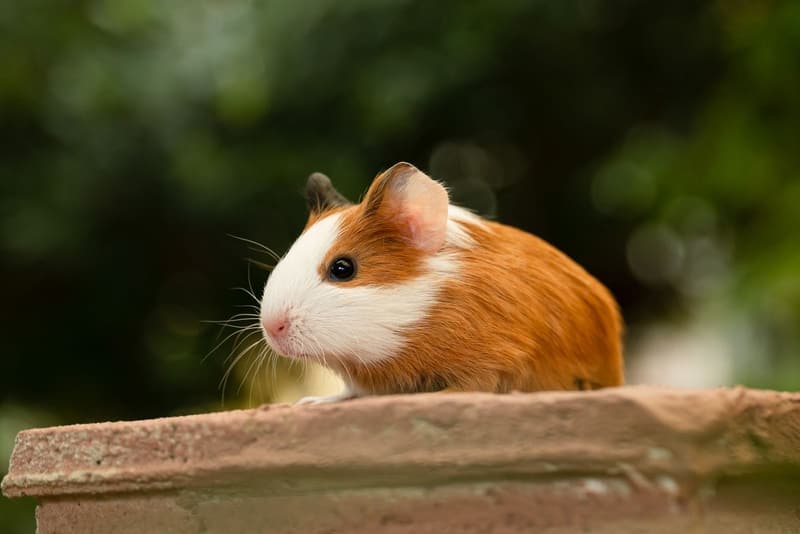 Guinea pigs
Guinea Pig
Guinea pigs need daily vitamin C, an 80–90% hay diet, a group of their own kind, and temperatures held between about 63°F and 75°F (17–24°C).
Beginner · 4–8 years -
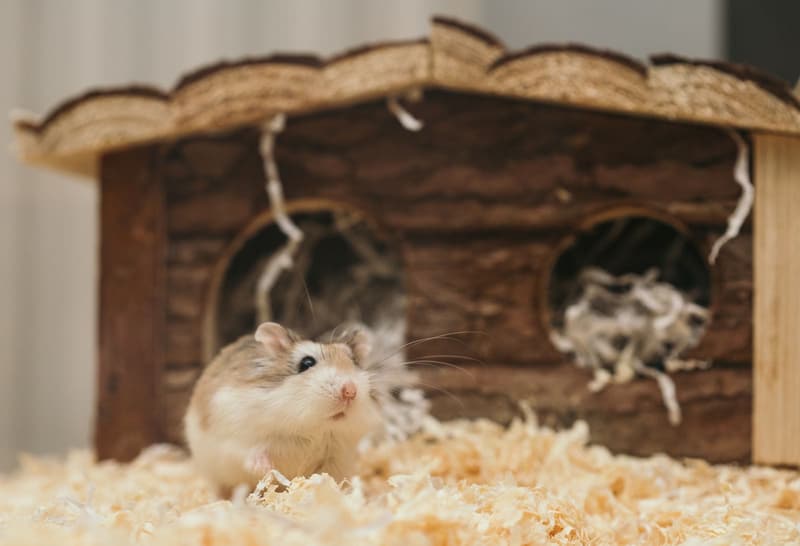 Hamsters
Hamster
Hamsters need a floor of 39 × 20 in (100 × 50 cm) or more, 10 in (25 cm) of bedding and a solid wheel. Syrians must always live alone.
Beginner · 1.5–3 years -
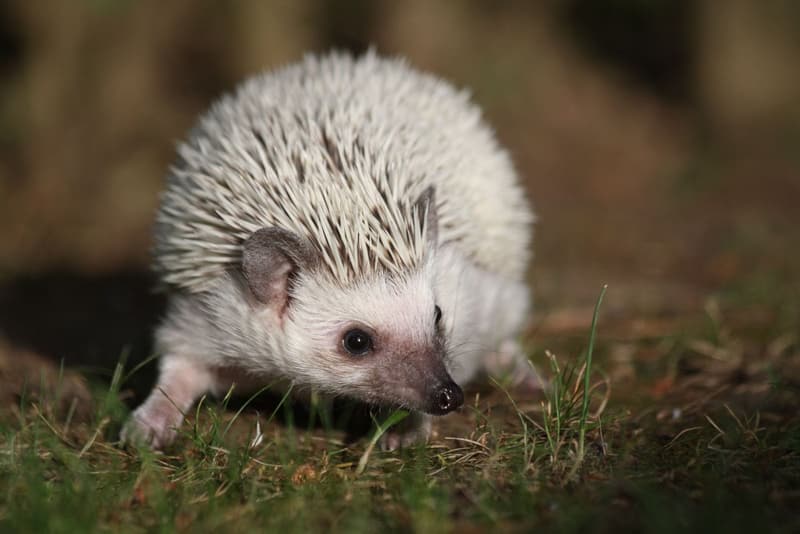 Small mammals
Hedgehog
African pygmy hedgehogs need 75–85°F (24–29°C) to avoid torpor, rationed insectivore kibble, a solid wheel and a solo cage. Illegal in California.
Intermediate · 4–6 years -
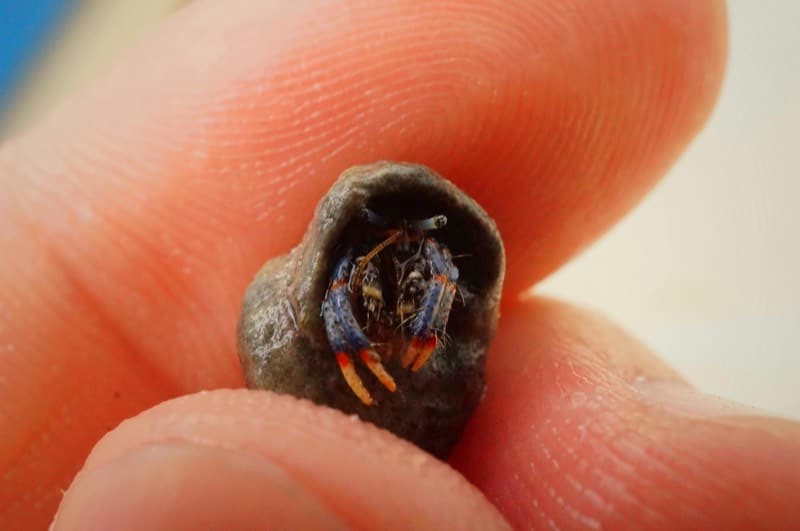 Invertebrates
Hermit Crab
Most land hermit crabs sold as pets are wild-caught and can live for decades. They need humid air, deep substrate for molting, fresh and salt water pools, and spare shells.
Intermediate · Up to 40 years with good care -
 Reptiles
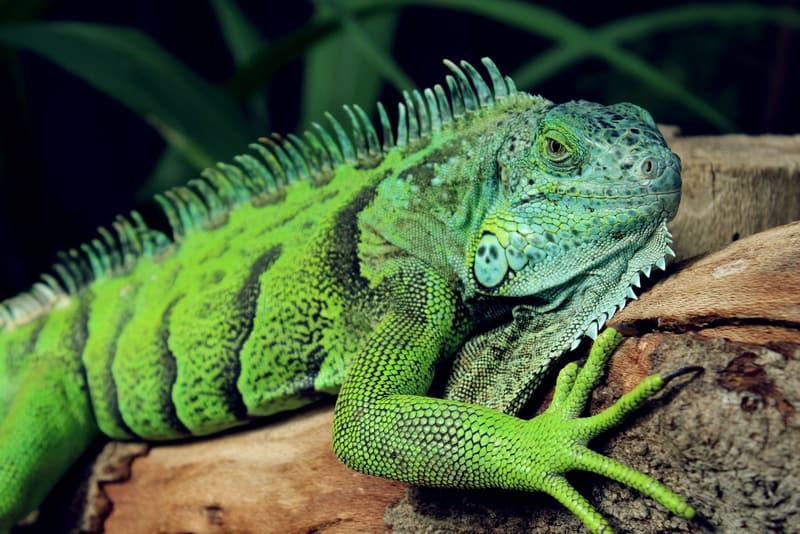
Iguana
Green iguanas reach 3–6 ft, need room-sized housing, 90–100°F basking, daily UVB and a leafy-green diet. Why they suit experienced keepers only.
Advanced · 10–15+ years -
 Reptiles
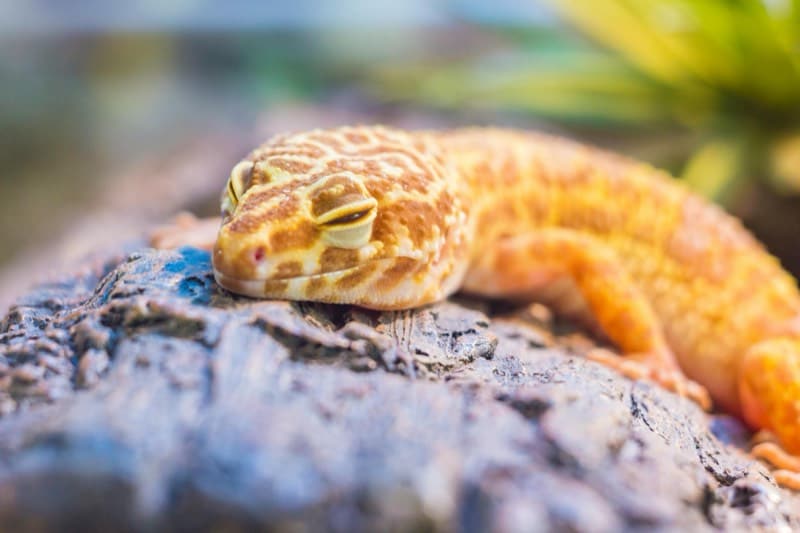
Leopard Gecko
Leopard geckos need a warm belly-heat basking zone of 82–86°F, dry air, low-level UVB, gut-loaded insects and a calcium dish. Setup, feeding and pitfalls.
Beginner · 10–20 years -
 Birds
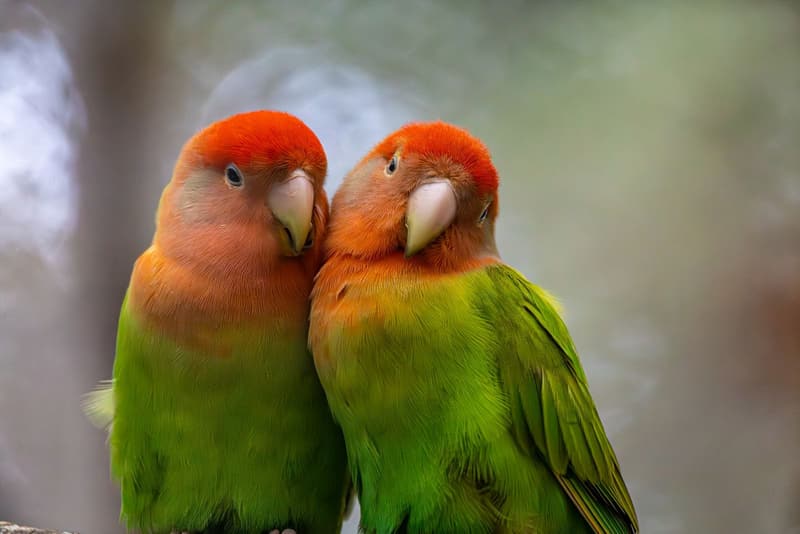
Lovebird
Lovebirds are small, feisty parrots that need a cage of at least 2 × 2 × 3 ft, a diet of 75–80% pellets, and watching for chronic egg-laying in lone females.
Intermediate · 10–15 years (up to about 20) -
 Birds
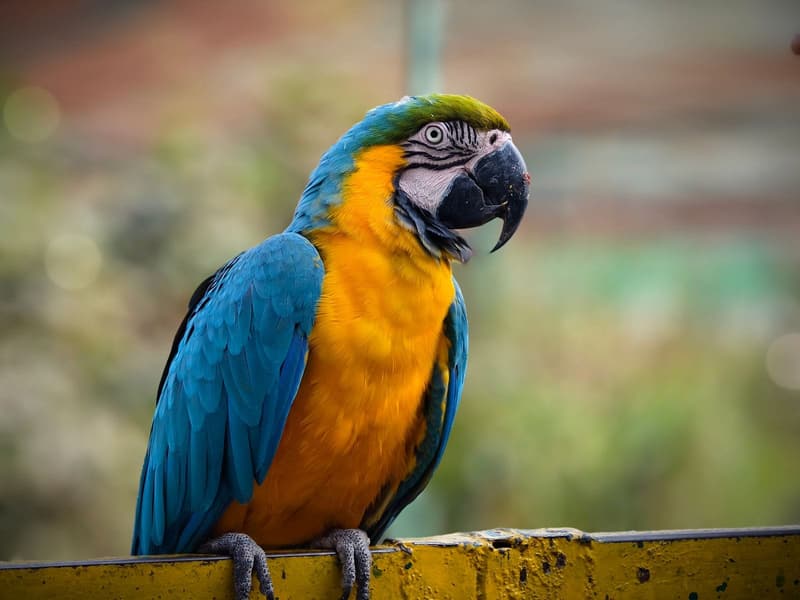
Macaw
Large macaws live 50–60 years, need a cage of at least 4 × 5 × 5 ft plus daily flight, and eat more fat than other parrots but still need a pellet base.
Advanced · 30–60 years (by size) -
 Reptiles
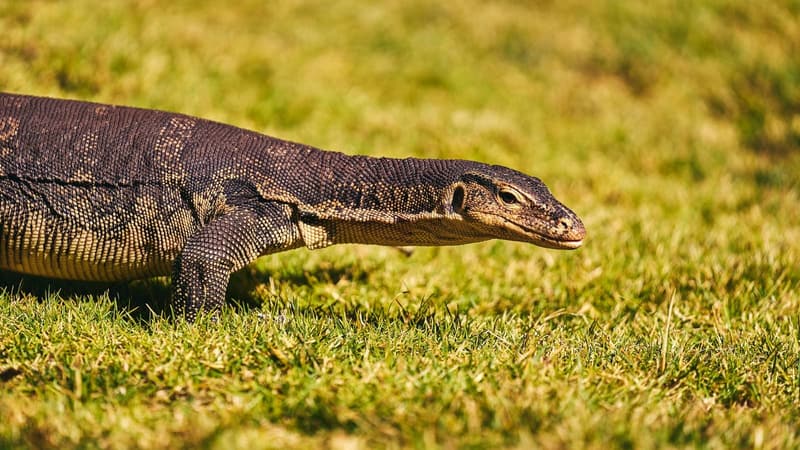
Monitor Lizard
Monitor lizards are advanced pets: savannah and water monitors reach about 5 ft and need room-sized housing. Sizes, setup, and the smaller Ackie compared.
Advanced · 10–15 years -
 Fish
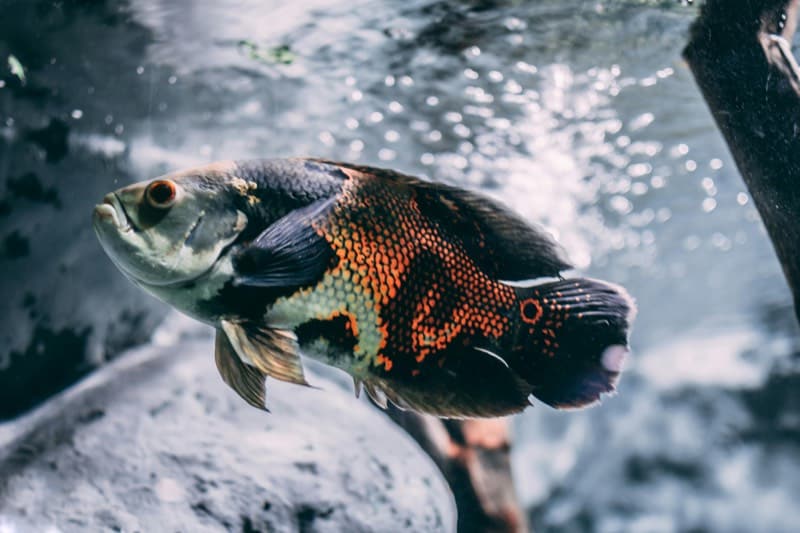
Oscar Fish
Oscars reach about 13 in (33 cm) and live 10–20 years. They need a very large, heavily filtered tank at 72–77°F (22–25°C) and prepared foods, not feeder fish.
Intermediate · 10–20 years -
 Birds
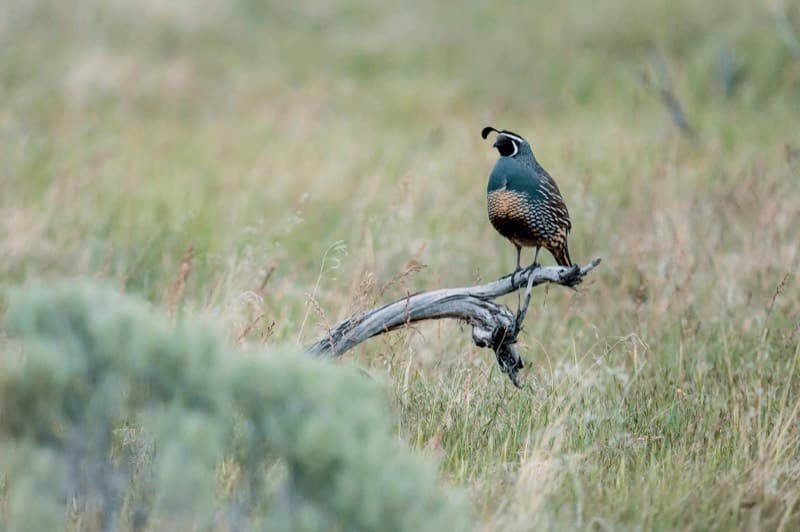
Pet Quail
Quail need 12 in (30 cm) of headroom under a soft roof, a littered floor with cover, sensible sex ratios, and gamebird feed matched to their age.
Intermediate · Up to about 6 years -
 Small mammals
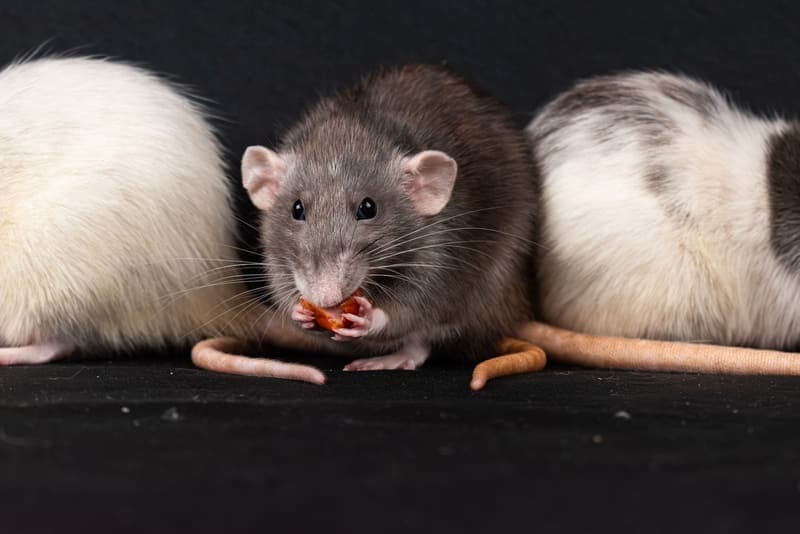
Pet Rat
Pet rats need same-sex companions, a large multi-level cage with solid floors, 66–73°F (19–23°C) and dust-free bedding for their lungs.
Beginner · 2–3 years -
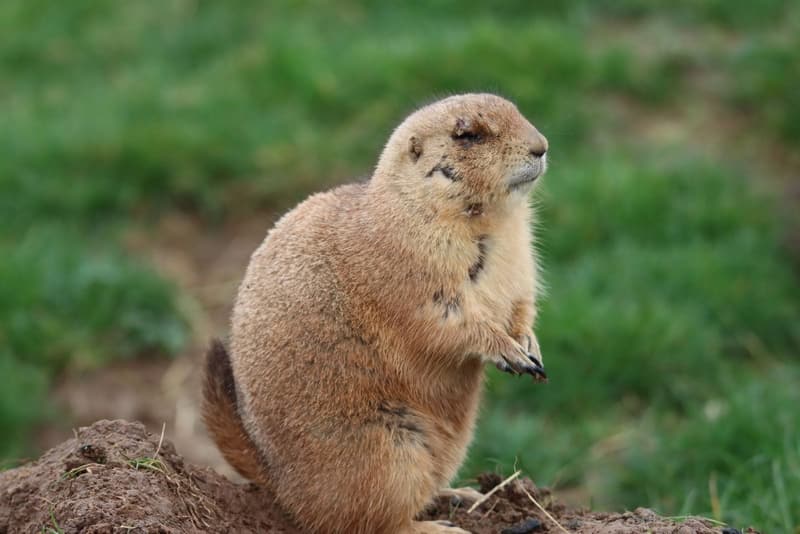 Small mammals
Prairie Dog
Prairie dogs need deep digging bedding, a grass-hay diet, company and an exotics vet. A 2003 monkeypox outbreak halted their US trade until 2008.
Advanced · 8–10 years -
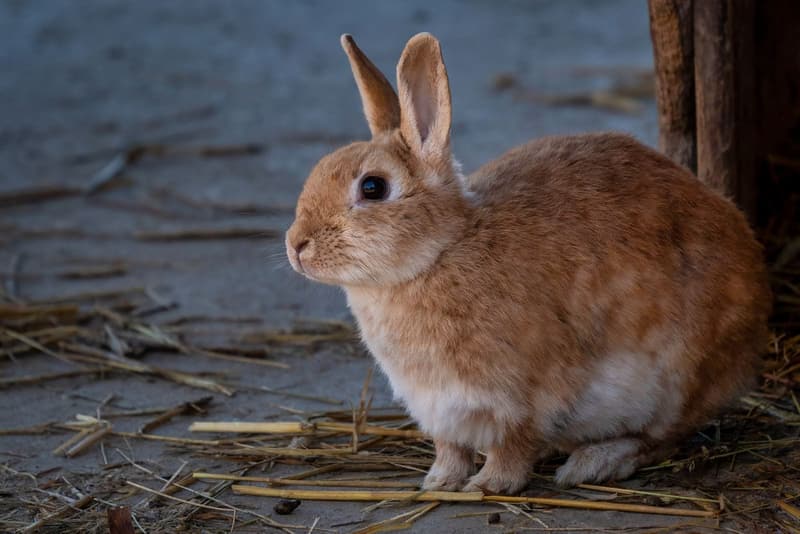 Rabbits
Rabbit
Rabbits need a bonded companion, a 3 × 2 × 1 m space they can use around the clock, a diet that is 85% hay or grass, vaccinations and neutering.
Intermediate · 8–12 years -
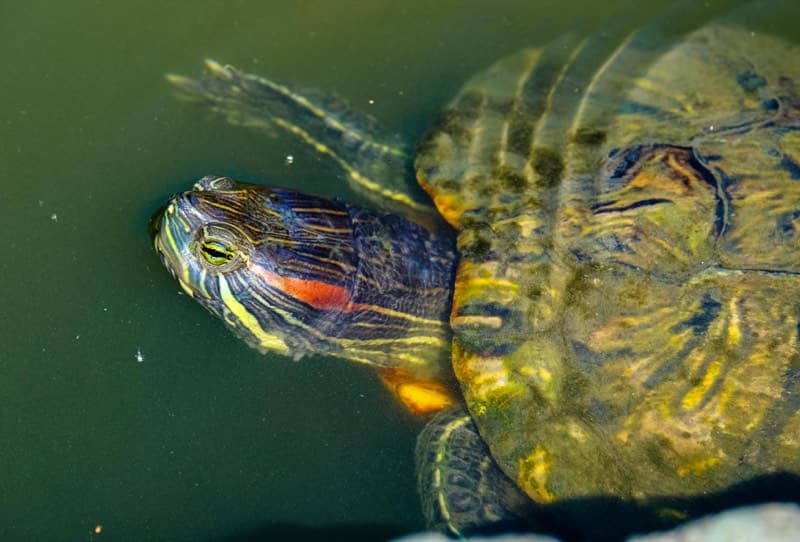 Turtles
Red-Eared Slider Turtle
Red-eared sliders need 10 gallons of water per inch of shell, UVB and a heated basking spot, and live 30–40 years. Setup, Salmonella and legal rules.
Intermediate · 30–40 years -
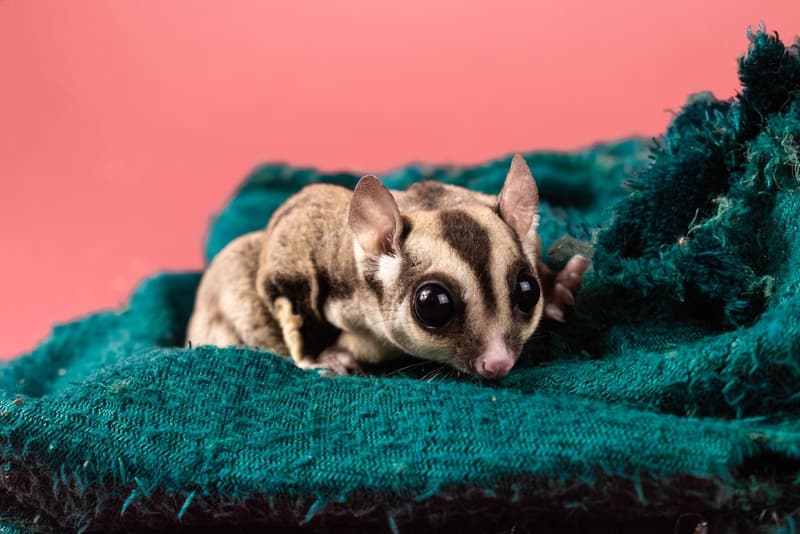 Small mammals
Sugar Glider
Sugar gliders are nocturnal colony marsupials. They need a 50/50 diet of nectar and protein, calcium supplements, a tall cage and at least one companion.
Advanced · 9–12 years -
 Birds
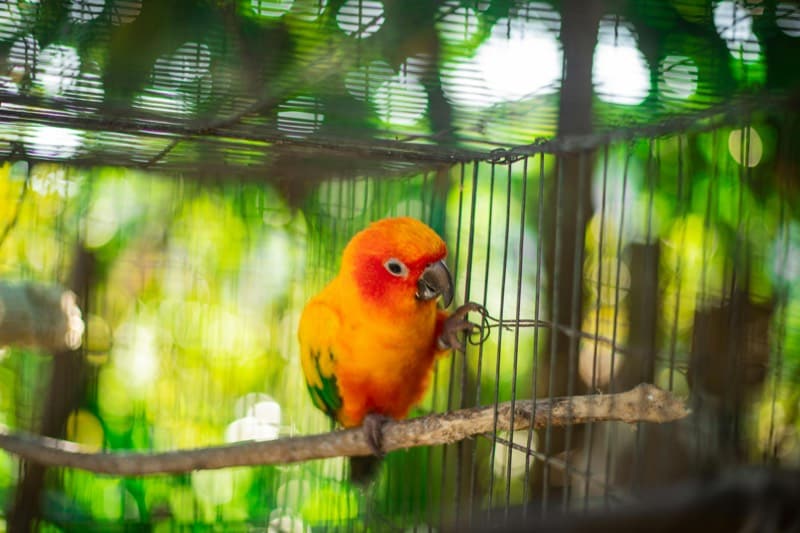
Sun Conure
Sun conures are among the loudest small parrots and are Endangered in the wild. Buy captive-bred only, and plan for 30+ years of dawn-and-dusk screaming.
Intermediate · Up to 30–35 years -
 Invertebrates
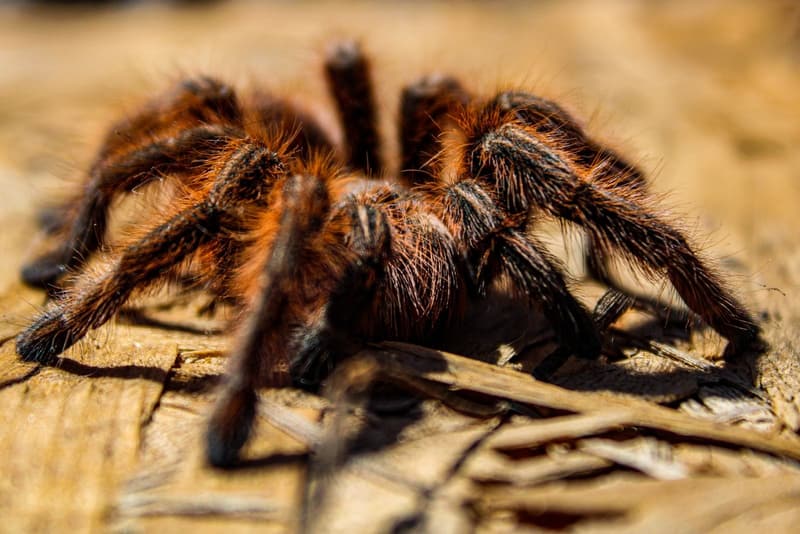
Tarantula
Female tarantulas can live past 30 years, males about 10. New World vs Old World species, setup at 70–85°F (21–29°C), safe feeding and molting.
Beginner · Males up to about 10 years; females 30+ years