
Lifestyle
Best Low-Maintenance Pets for Busy People (and What They Still Need)
Leopard geckos, corn snakes, ball pythons, bettas and tarantulas compared on daily tasks, weekly jobs, lifespan, time away and the hidden demand.
- low maintenance
- busy lifestyle
- pet selection
- beginner
- fish
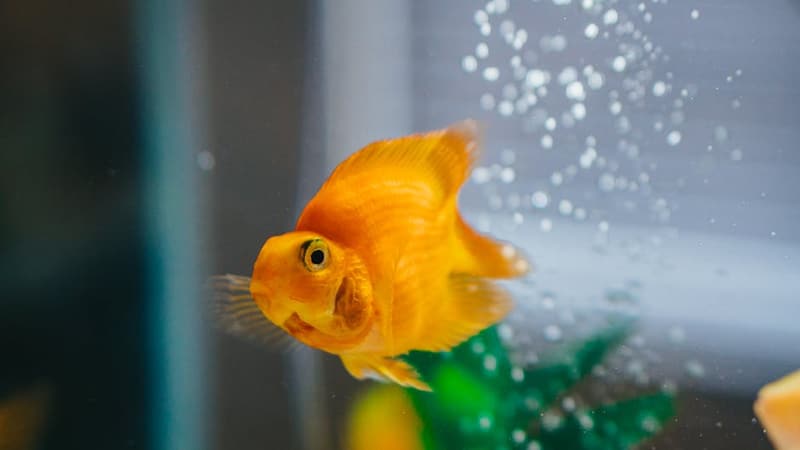
This page is for people who work long hours and want an animal whose care fits around a full week. No pet is maintenance-free: every animal below needs something done every single day. What differs is how long that daily job takes, how often you need a bigger session, and whether someone can cover for you while you’re away.
Which pet fits your week
| Pet | Daily routine | Weekly or less often | Lifespan | Time away | Biggest hidden demand |
|---|---|---|---|---|---|
| Leopard gecko | Check both ends with thermometers; change water; spot-clean (RSPCA) | Adults fed every other day, juveniles daily; full clean monthly (RSPCA) | Up to 20 years (RSPCA) | Needs a sitter for water, temperatures and feeds (RSPCA) | Live insects kept in the house, fed and gut-loaded (RSPCA) |
| Corn snake | Check temperatures; change water; spot-clean (RSPCA) | One adult mouse every 7–14 days; full clean monthly (RSPCA) | 10–15 years (RSPCA) | Feeding can wait, but water and temperature checks are daily (RSPCA) | An escape-proof vivarium (RSPCA) |
| Ball python | Check temperatures; change water; spot-clean (RSPCA) | Adults fed every 7–14 days by weight; full clean monthly (RSPCA) | More than 20 years (RSPCA) | As corn snake (RSPCA) | Humidity at 50–60%; too humid with poor ventilation causes respiratory infections. Known for refusing food (RSPCA) |
| Betta | Feed what it eats in 3–5 minutes; check the thermometer (University of Illinois) | Remove about 10% of the water in each change; test ammonia and nitrite every two weeks (RSPCA) | A few years; published figures vary, so treat any single number with caution | Daily feeding and a heater that must not fail | Water at 76–81°F (24–27°C), which needs a heater in most homes; 5-gallon (19 L) tank or larger (University of Illinois) |
| Tarantula | Refill a shallow water dish (University of Illinois) | Feed a few times a week; remove uneaten prey after about 10 minutes (University of Illinois) | Males up to about 10 years; females past 30 (University of Illinois) | Water dish needs daily refills (University of Illinois) | Molting: a spider on its back for 15 minutes to a full day is normal and must be left alone (University of Illinois) |
The reptiles’ daily routine is short, a few minutes of reading thermometers and swapping water, but the RSPCA says to do it every day because thermostats drift (RSPCA). That is why none of them can simply be left for a long weekend without someone looking in.
Setup time comes before the easy part
Low-maintenance pets front-load the work.
- Vivarium reptiles: the RSPCA says to set up and run the vivarium for at least a week before the animal arrives, so you can adjust heating and humidity without stressing it (RSPCA).
- Aquarium fish: a new tank needs cycling before any fish go in. The RSPCA says to test every other day during cycling and expect it to take at least two weeks (RSPCA). See the aquarium setup guide.
- Handling: leave a new gecko or snake unhandled for the first week (RSPCA), and wait 48 hours after a snake has eaten (RSPCA).
If your schedule can’t absorb that first week or two, it can’t absorb these pets either.
The 20-year problem
The pets that ask least of your day often ask most of your decade.
| Pet | Lifespan stated by source |
|---|---|
| Ball python | Longer than 20 years in captivity (RSPCA) |
| Leopard gecko | Up to 20 years (RSPCA) |
| Female tarantula | Past 30 years (University of Illinois) |
| Land hermit crab | Can live to 40 years (Smithsonian’s National Zoo) |
A ball python bought at 25 can still need you at 45. Before you buy, check that the long-term plan covers moving home, a new partner who dislikes snakes, and who takes the animal if you can’t. The RSPCA asks owners to be sure they can provide care and costs for the animal’s whole life (RSPCA).
Hermit crabs: not the easy option they’re sold as
Hermit crabs are sold as starter pets, but the Smithsonian’s National Zoo describes the trade as unsustainable: land hermit crabs don’t breed in human care, so pet crabs are harvested from the wild (Smithsonian’s National Zoo). They need both freshwater and saltwater pools and high humidity, and some bury themselves in sand to molt (Smithsonian’s National Zoo). The zoo notes they can live to 40, but most pets die far sooner from poor care (Smithsonian’s National Zoo). If you still want them, take on rehomed crabs and read the hermit crab care guide first.
Mistakes that cause problems
- Skipping the thermostat. A heat source without one will overheat or underheat the vivarium. The RSPCA warns that thermostats aren’t always accurate, so daily thermometer checks are still needed (RSPCA).
- A bowl for a betta. The University of Illinois says bettas should not live in bowls and need a heater in most homes (University of Illinois). An unheated bowl turns a “low-maintenance” fish into a chronically cold one.
- Leaving live prey in. Crickets left with a leopard gecko or tarantula can bite it, and the Illinois column calls out week-long cricket drops as a cause of injury (RSPCA; University of Illinois).
- A deep water dish for a tarantula. “Deep dishes can lead to drowning” (University of Illinois).
- Assuming no visible problem means no problem. Fish water can look clear and still be toxic, which is why the RSPCA treats test kits as essential (RSPCA).
Sources
- RSPCA: How To Care For a Leopard Gecko
- RSPCA: How To Care For a Corn Snake
- RSPCA: How To Care For a Royal Python
- RSPCA: Choosing an Aquarium for Pet Fish
- University of Illinois College of Veterinary Medicine: Your Betta Needs More Than a Bowl
- University of Illinois College of Veterinary Medicine: Care and Keeping of Tarantulas
- Smithsonian's National Zoo: Land hermit crab
- Smithsonian's National Zoo: How Do You Build a Home for Hermit Crabs?
More from the blog
8 Common Mistakes New Reptile Owners Make
No thermostat, the wrong UVB, a small vivarium, loose substrate, live prey, early handling, bad humidity and Salmonella: what each mistake does and the fix.
Read
A Beginner's Guide to Aquascaping Your Fish Tank
Layout styles compared, easy plants rated by light and CO2 need, root tabs vs liquid fertiliser, and a safe starting light schedule for a first planted tank.
Read
Adopting a Rescue Exotic Pet: Benefits, Risks and What to Ask
Where to adopt a rescue reptile, bird or small mammal, what to ask each source, the honest pros and cons, and the health checks and quarantine to plan for.
Read